River North Condo Financing: What Savvy Buyers Need
December 18, 2025
December 18, 2025
Shopping for a River North condo and noticing that two similar homes can come with very different loan options? You are not imagining it. High-rise, amenity-rich buildings and mixed-use towers change how lenders look at risk, which can affect your rate, down payment, and timeline. In this guide you will learn how warrantability works, what lenders review inside each building, and how to prepare a clean, financeable offer in River North. Let’s dive in.
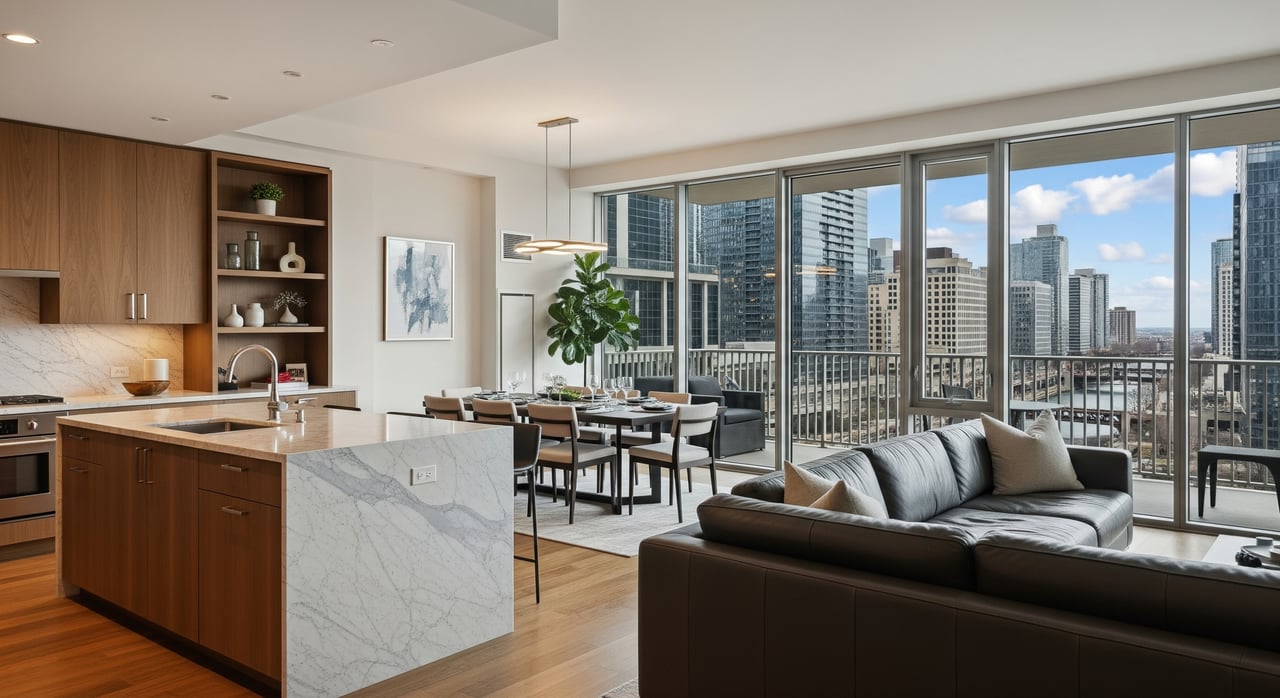
River North is filled with luxury towers, concierge services, fitness centers, pools, and parking. These amenities create higher HOA fees and larger operating budgets that lenders review closely. Many buildings also include ground-floor retail or office space, which adds mixed-use considerations to underwriting.
Prices can push into jumbo loan territory, and jumbo lenders often apply stricter rules. You may also see a higher share of rentals in downtown neighborhoods, which can influence project approval and what loan programs are available. Understanding these building-level dynamics helps you plan your loan strategy early.
A condo project is considered warrantable when it meets the criteria set by major investors and guarantors. When your building is warrantable, you typically have access to conventional conforming loans and, when approved, FHA or VA programs. That can mean lower down payment options and more competitive rates if you qualify.
If a project is non-warrantable, mainstream financing becomes limited. Buyers often use portfolio loans from local banks or credit unions, or specialized condo lenders. These options can work well but may require larger down payments, higher reserves, or higher costs. The same unit can be far easier to finance in a warrantable building, so confirming project status early is critical.
Lenders want to see that the HOA can fund routine maintenance and long-term repairs without repeated special assessments. Expect your lender to review the current budget, recent financials, and any reserve study available. Warning signs include minimal reserves or frequent shortfalls.
Many River North towers include retail or office space at the base. Lenders look at the share of commercial space and how those leases impact the budget. Higher commercial ratios can trigger extra scrutiny and, in some cases, limit loan program options.
Underwriters check HOA delinquency rates, recent or planned special assessments, and any active litigation involving the association or developer. Construction defect claims and project-level lawsuits are red flags. Even healthy, well-managed buildings can see delays if documents do not address these items clearly.
New developments and recent conversions face additional hurdles. Lenders consider presale levels, how many units the developer still owns, and whether the condo documents and recorded plats are complete. Until a project meets these benchmarks, some programs will not approve financing.
When the building is warrantable and your price falls within conforming limits, conventional financing usually offers the broadest mix of rates and terms. Lower down payment options may be available if you qualify. Your lender will still complete a project review, but the pathway is typically straightforward in a healthy building.
FHA and VA can help qualified buyers with lower down payments if the condo project itself is approved for those programs. High-rise or new-build approvals can take time, so confirm a project’s current status before you write an offer. If a building is not approved, your lender can advise whether project approval or spot options are feasible under current rules.
If your price exceeds conforming loan limits, jumbo lenders set their own underwriting standards. Expect higher credit score requirements, tighter debt-to-income limits, and more detailed condo reviews. Even in warrantable projects, jumbo overlays can affect what you qualify for and how quickly you can close.
Local banks and credit unions sometimes keep loans on their own books and can finance non-warrantable projects. Terms vary and often include higher rates or larger down payments. For unique cases, private or alternative lending can bridge the gap, though these options typically come with higher costs and different structures.
You can lower your payment with a rate buydown. A temporary buydown reduces the payment for the first year or two, often funded by the seller or developer via credits at closing. A permanent buydown uses discount points you pay upfront to lower the rate for the life of the loan.
How you qualify with a buydown depends on the loan program and lender. Some lenders qualify you at the note rate, while others may allow qualifying at the reduced rate for certain temporary buydowns if specific conditions are met. Ask your lender how the buydown affects qualification, APR, and whether seller or developer funds are treated as allowable concessions for your program.
Get documents in motion as soon as you are serious about a building. Share them with your lender right away.
Monthly carrying cost in River North can be higher due to amenities and downtown services. Look beyond principal and interest to include HOA dues, property taxes, and insurance. In Cook County, tax changes and reassessments can impact your budget. Ask the HOA about any planned capital projects or special assessments that could start during your ownership.
When you have a clear financing plan and the right documents in hand, you reduce surprises, strengthen your offer, and close with confidence. If you want a second set of eyes on a building’s financing profile or need lender introductions with proven River North experience, we are here to help.
Ready to make your next move in River North? Work with Kacia Snyder: Schedule a Consultation.
Stay up to date on the latest real estate trends.

Kacia Snyder has a reputation for consistently carrying one of the most impressive luxury listing platforms in the marketplace. Contact her today for a free consultation for buying, selling, renting, or investing in Illinois and Indiana.