Are you trying to make sense of West Loop prices, inventory, and how fast homes sell right now? You are not alone. Whether you are a first-time buyer, a move-up owner, or planning a sale, you need a clear way to read this micro-market. In this guide, you will learn how to track the key metrics that matter, how new development affects resale condos and townhomes, and what to expect by price band. Let’s dive in.
West Loop demand drivers
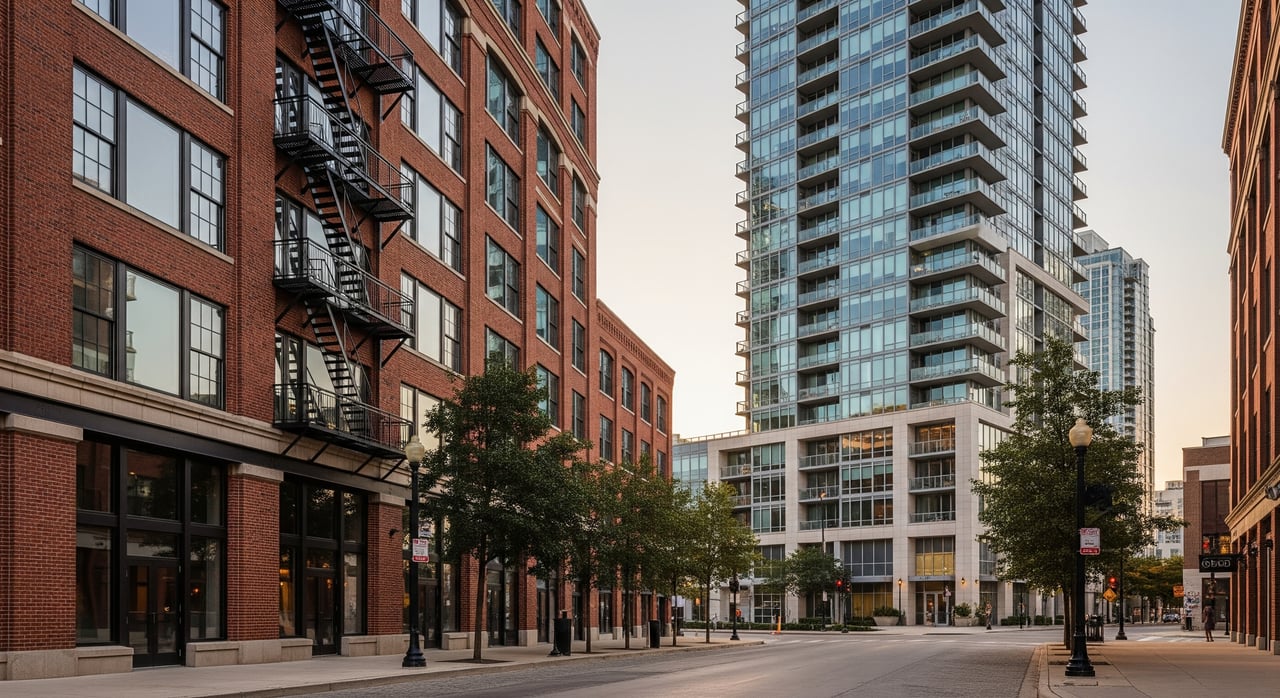
The West Loop is a dense, walkable neighborhood with a strong mix of mid and high-rise condos, loft conversions, townhomes, and limited single-family homes. Proximity to downtown, dining, and major employers in Fulton Market supports steady demand.
Mortgage rates, employment trends, investor activity, and seasonality shape the pace of sales. In Chicago, activity tends to run stronger from spring through early fall, with slower winter months. Ongoing condo and mixed-use projects can add supply at the top end and influence pricing expectations across the neighborhood.
Core metrics to track
Understanding a few simple numbers will help you set price, time your move, and plan negotiations. Use rolling 3-, 6-, and 12-month windows and medians where possible.
Months of supply
- Formula: MOS = Active Listings / Average Monthly Closed Sales.
- Interpretation:
- Less than 3 months: seller’s market.
- 3 to 6 months: balanced market.
- More than 6 months: buyer’s market.
Compute MOS by product type and price band. Flag new construction separately, since developer releases can temporarily lift MOS in luxury tiers without reflecting broader resale momentum.
Days on market
- Definition: Days from list date to ratified contract.
- Interpretation:
- Under 30 days: hot segment.
- 30 to 60 days: competitive.
- Over 60 to 90+ days: slower segment.
Use median DOM. Be aware that relists and off-MLS marketing can distort the average.
List-to-sale ratio
- Definition: Sale Price divided by List Price.
- Interpretation:
- Above 100%: frequent multiple offers.
- 98% to 100%: near-list market.
- Below 98%: typical buyer discounts.
Check the distribution, not only the median. Extremes can skew the mean in small samples.
Velocity and absorption
Velocity blends MOS, DOM, and the share of listings that go under contract within 30 days. Plotting the cumulative percentage of listings sold by day on market reveals how fast each price band moves. The curve for entry and mid bands usually rises quickly. Premium and luxury curves tend to rise more slowly.
Price bands in West Loop
Price behavior changes across bands. Set local bands relative to the neighborhood’s 12‑month median sale price, labeled M.
- Entry: Less than 0.75 × M
- Mid: 0.75 × M to 1.25 × M
- Premium: 1.25 × M to 2 × M
- Luxury: More than 2 × M
Entry band
Expect the highest absorption and shortest DOM. Studios and one-bedrooms dominate, with some investor interest. MOS often sits at the low end in this tier, and list-to-sale ratios can meet or beat list when inventory tightens.
Mid band
This is the broadest, most stable segment, from larger one-bedrooms through many two-bed condos and some townhomes. MOS often reads as balanced, and DOM tracks near the neighborhood’s overall median. Pricing, presentation, and parking access can tip results.
Premium band
Buyers in this range are more selective about views, layouts, finishes, and building amenities. MOS usually runs higher than mid band, and DOM is longer. The list-to-sale ratio can vary, especially when competing with fresh new development nearby.
Luxury band
This tier absorbs the slowest because the buyer pool is smaller and more selective. When multiple high-amenity towers deliver at the same time, you can see sustained higher MOS and longer DOM for resales that compete directly with new units.
Product type nuances
- Condos: Most sensitive to HOA fees, reserve health, amenity comparisons, and parking. Modern amenity packages can reset buyer expectations.
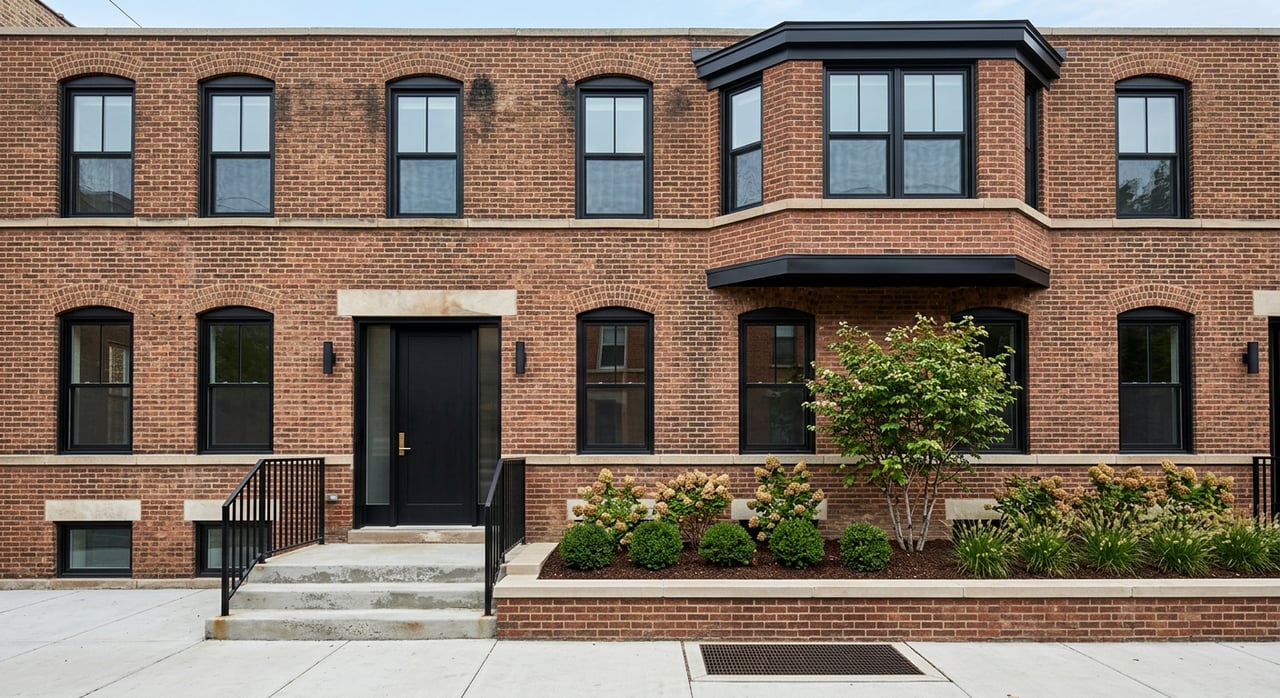
- Townhomes and walkups: Appeal to buyers who want private entries and lower HOA exposure. These can trade differently than high-rises.
- Single-family: Scarce in the West Loop, so pricing can move independently. Match comps carefully.
New development’s impact
New construction in and around Fulton Market adds meaningful supply and can reshape comps. It matters most in the upper and luxury bands.
Short-term effects
- Active inventory rises as developer closings hit the MLS. MOS can jump in the immediate term.
- New builds often price at a premium per square foot due to finishes and amenities, lifting medians without being true apples-to-apples with older resales.
- Developer incentives like rate buydowns, closing credits, or upgrades can attract buyers, even if asking prices look higher on paper.
Medium‑term effects
- Amenity and finish standards move up, which can reduce demand for lower-amenity resales unless they are updated or priced to reflect the gap.
- If multiple towers deliver together, elevated MOS in the luxury band can persist for several quarters.
- Once projects stabilize, the neighborhood can benefit from new retail, dining, and a broader halo effect that supports base demand.
How to analyze new builds
- Separate developer sales from resales in your data. Present MOS including and excluding new construction.
- Match comps by age and amenities rather than leaning on per-square-foot averages across very different buildings.
- Track permits and certificates of occupancy to anticipate delivery waves that might influence DOM and negotiating room.
How to read the numbers yourself
You can assemble a clean snapshot with a few steps. Use consistent West Loop boundaries across all data pulls.
- Gather data: Pull 12 months of closed sales, plus the most recent 3 to 6 months of active and pending listings.
- Tag inventory: Identify resales versus new construction. Note unit size, parking, HOA fees, and building age.
- Compute medians: MOS, DOM, sale price, price per square foot, and list-to-sale ratio for the whole area, then by product type and price band.
- Compare time windows: The 3-month view shows momentum. The 12-month view shows stability. Be transparent about the window you use.
Seasonal timing in Chicago
The local market typically sees stronger list and contract activity in spring through early fall. Winter can be slower, though serious buyers who shop then often have less competition. If you are selling in a slower month, plan for standout presentation, strategic pricing, and a flexible strategy on concessions.
Seller game plan
You can position your West Loop home to win, even if inventory rises.
- Right-size the comp set: Use recent resales in comparable buildings. Review new-build incentives competing for your buyer pool.
- Align price to MOS: If your band is under 3 months of supply, price near the most recent resales. If above 6 months, consider sharper pricing or value-add updates.
- Stage for the win: Focus on paint, lighting, hardware, and minor kitchen or bath refreshes that mirror current new-build finishes.
- Market early and widely: Pre-market exposure can surface motivated buyers. Strong photography, floor plans, and amenity highlights shorten DOM.
- Watch HOA and taxes: Be ready with association documents, reserve info, and any special assessment history. Clarity builds buyer confidence and can preserve your price.
Buyer playbook
You can secure value and reduce risk with the right approach.
- Know your band: Identify whether your target is entry, mid, premium, or luxury. Expect faster DOM at entry and mid tiers.
- Compare total costs: Weigh HOA fees, taxes, and likely assessments against new-build concessions. Sometimes a slightly higher list price with lower carrying costs wins.
- Negotiate with timing: When new supply delivers, look for incentives from both developers and resellers in competing buildings.
- Focus on livability: Prioritize layouts, light, storage, and parking over headline amenity lists. Resale units with smart floor plans tend to hold value.
- Be data-led: Use median DOM and list-to-sale ratios in your band to guide your offer and expected negotiation range.
What to watch each month
A short checklist keeps you anchored as conditions shift.
- MOS by band and product type. Look for moves across the 3, 6, and 12-month windows.
- Median DOM trend. Rising DOM can signal more negotiating room.
- List-to-sale ratio by band. Watch for bands moving from near-list toward discounts.
- New-build share of closings. Spikes often precede more competition for resales.
- Price reductions. Frequency and magnitude can reveal softening demand.
Putting it together
When you frame West Loop activity by price band, product type, and new-build influence, the market becomes predictable. Entry and mid tiers often move fastest. Premium and luxury depend more on finishes, views, and how many fresh, amenity-rich units are competing nearby. Aligning price and presentation with current MOS and DOM will help you meet your timing and net goals.
If you want a clear, band-by-band read on your address, plus early access to pre-market and new-development opportunities, connect with Kacia Snyder. You will get practical pricing guidance, a tailored marketing plan, and on-the-ground insight into upcoming inventory that can shape your strategy.
FAQs
What is months of supply in the West Loop?
- Months of supply is active listings divided by average monthly closed sales. Under 3 months signals a seller’s market, 3 to 6 is balanced, and over 6 favors buyers.
How fast do West Loop condos sell?
- Median days on market under 30 days indicates a hot segment, 30 to 60 is typical, and over 60 to 90 suggests a slower tier or overpricing.
How close to asking do homes sell for in West Loop?
- The list-to-sale ratio near 98 to 100 percent means buyers pay close to asking; above 100 percent points to multiple offers, while below 98 percent signals more room to negotiate.
How do new Fulton Market towers affect resale condos?
- New towers add supply and often include incentives, which can lengthen DOM and raise MOS for competing resales until the new units absorb.
Should I buy a new build or a resale in West Loop?
- Compare total cost and value, including HOA fees, taxes, likely assessments, finishes, and any builder concessions that might offset a higher list price.
When is the best time to list a West Loop condo?
- Spring through early fall typically sees stronger activity, though serious winter buyers can mean less competition if your pricing and presentation are on point.
How should I price my West Loop home?
- Use recent resales in similar buildings, adjust for finishes and amenities, and align with your band’s current MOS and DOM to balance speed and net proceeds.