Lincoln Park Chicago Living: A Day-to-Day Neighborhood Guide
February 5, 2026
February 5, 2026
Ever picture stepping out your door and being on a tree‑lined block, then at the zoo or the lake within minutes? If you’re weighing North Side neighborhoods, Lincoln Park offers a rare mix of city energy and everyday ease. You want walkability, reliable transit, parks for downtime, and housing options that grow with you. This guide gives you a clear, on‑the‑ground view of daily life so you can decide if Lincoln Park fits your routine and your next move. Let’s dive in.
Lincoln Park sits on Chicago’s North Side along the lakefront, just north of the Near North/Old Town corridor. The neighborhood takes its name from the large park that runs along its eastern edge. You’ll find leafy residential blocks, lively commercial streets, and a calendar full of community and cultural events.
The area includes major anchors like Lincoln Park Zoo, the Conservatory, and DePaul University’s Lincoln Park campus. The community is a blend of owners and renters. You’ll see professionals, families, and students sharing the sidewalks, coffee shops, and train platforms.
If outdoor time shapes your day, this neighborhood makes it easy. The lakefront park offers running and biking paths, athletic fields, beaches, and playgrounds. The North Pond area and the nature boardwalk add a quieter, scenic loop for walks and weekend strolls.
The Lincoln Park Zoo offers free admission year‑round, which makes quick visits simple, whether it’s a weekday with kids or a relaxed Sunday with friends. The Lincoln Park Conservatory and nearby pocket parks add more green spaces for reading, picnics, and dog walks.
For many residents, these amenities define the rhythm of daily life. Mornings start with a jog on the trail or a quick dog walk. Evenings wrap up with a stroller loop around the pond. Weekends often include a stop at the farmers market or a picnic by the water.
Most errands stay close to home. Armitage, Halsted, Clark, and sections of Lincoln and Fullerton host a steady mix of boutiques, grocery stores, pharmacies, fitness studios, and service businesses. The western edge near the Clybourn Corridor offers larger retail and home‑goods options.
Expect quick access to specialty grocers, coffee shops, and grab‑and‑go meals. Seasonal farmers markets and neighborhood pop‑ups appear in the warmer months, which adds fresh produce and local vendors to your weekly routine.
You’ll find plenty of choices, from casual cafés and bakeries to sit‑down restaurants and wine bars. DePaul’s presence keeps some pockets lively into the evening. If you prefer quiet nights, you can still enjoy dinner near home and step away from late‑night corridors.
When you’re exploring, focus on patterns rather than chasing lists. Look for family‑friendly spots near residential blocks, bistros and neighborhood pubs on the main corridors, and late‑night options closer to student hubs. The variety makes it easy to meet friends, host family visits, or plan a low‑key date night.
Lincoln Park includes neighborhood Chicago Public Schools for elementary and high school, plus a strong presence of private and parochial options. School preference in the neighborhood is very personal. Many buyers prioritize specific attendance boundaries or program types based on their needs.
For accurate details on attendance areas and performance, review current Chicago Public Schools maps and Illinois State Board of Education report cards. Touring schools, attending open houses, and speaking with administrators can help you align options with your goals.
Public transit is a daily convenience here. The Fullerton station connects to the Red, Brown, and Purple lines, and Brown Line stops like Fullerton and Armitage link you north and south with frequent trains. Major bus routes along the main corridors offer reliable east‑west and north‑south service.
There is no Metra station inside Lincoln Park. If you use regional rail, you’ll connect downtown at the major terminals. Biking is popular thanks to Divvy stations and bike lanes, and the lakefront trail makes commuting or weekend rides straightforward.
Driving is feasible, but plan for traffic at peak times and tighter parking on residential blocks. Many buyers prioritize homes with assigned parking or garage space. If you go car‑free, the transit and bike options can make that choice realistic.
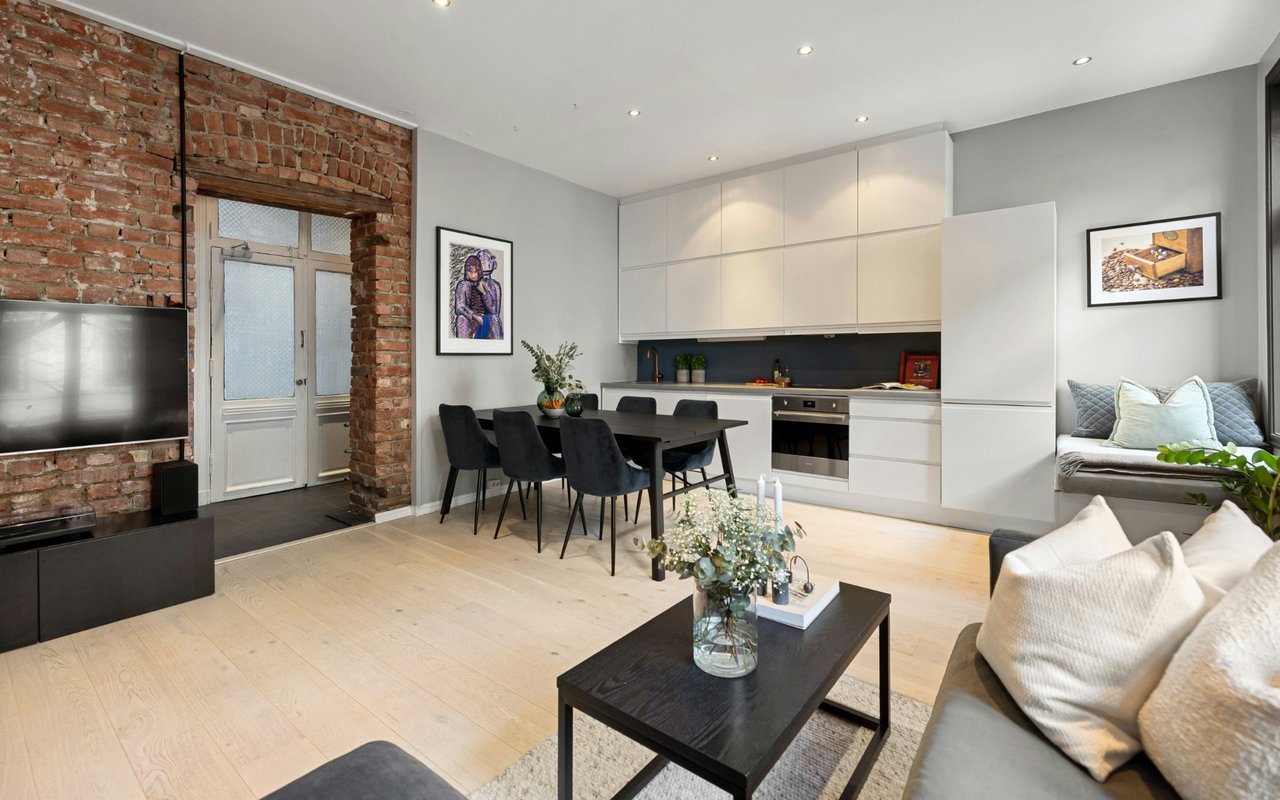
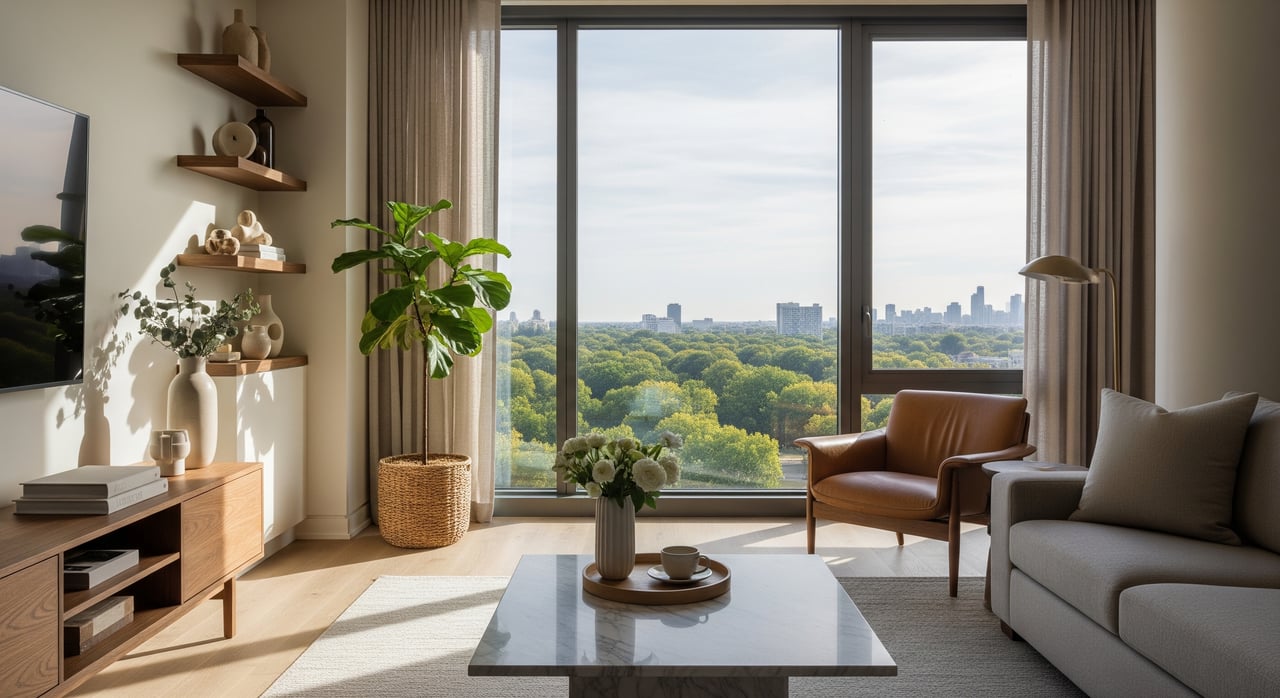
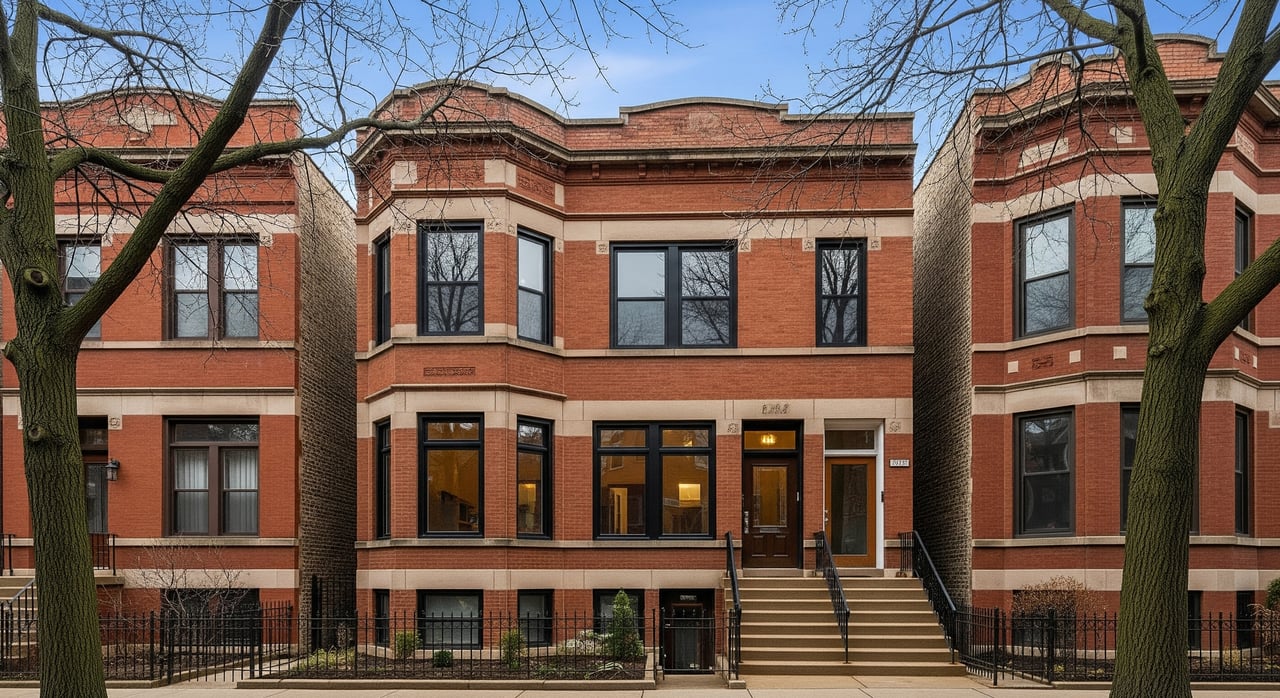
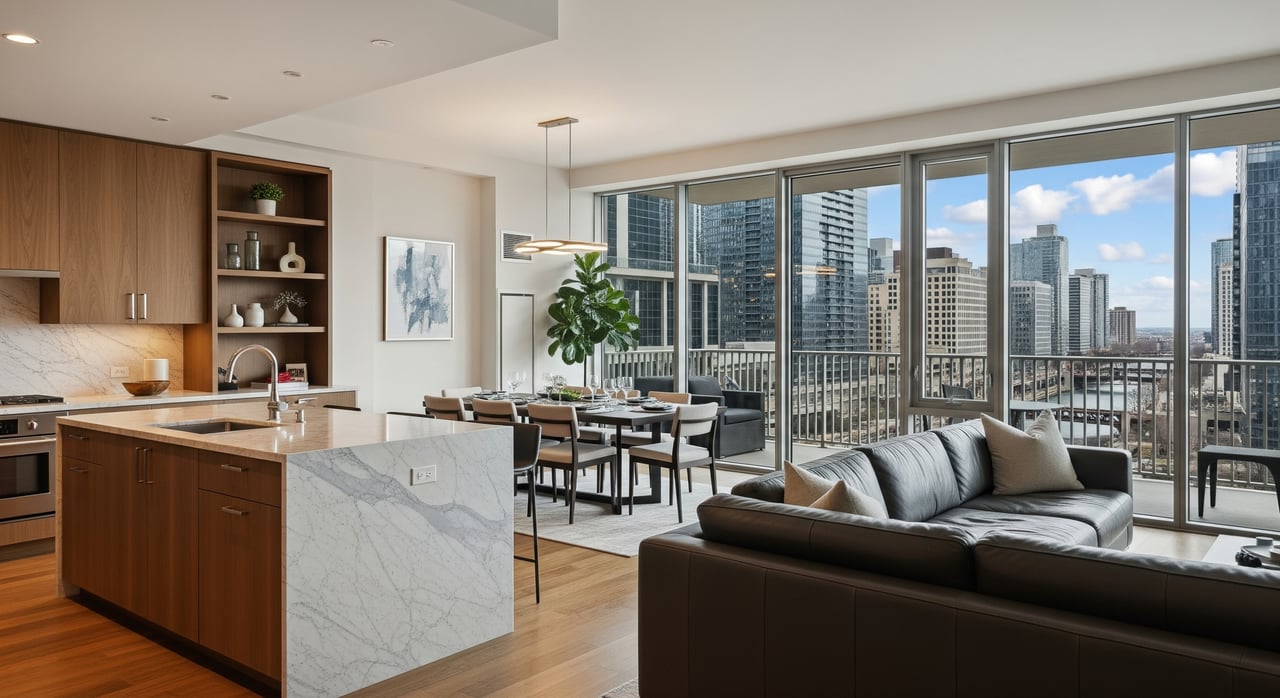
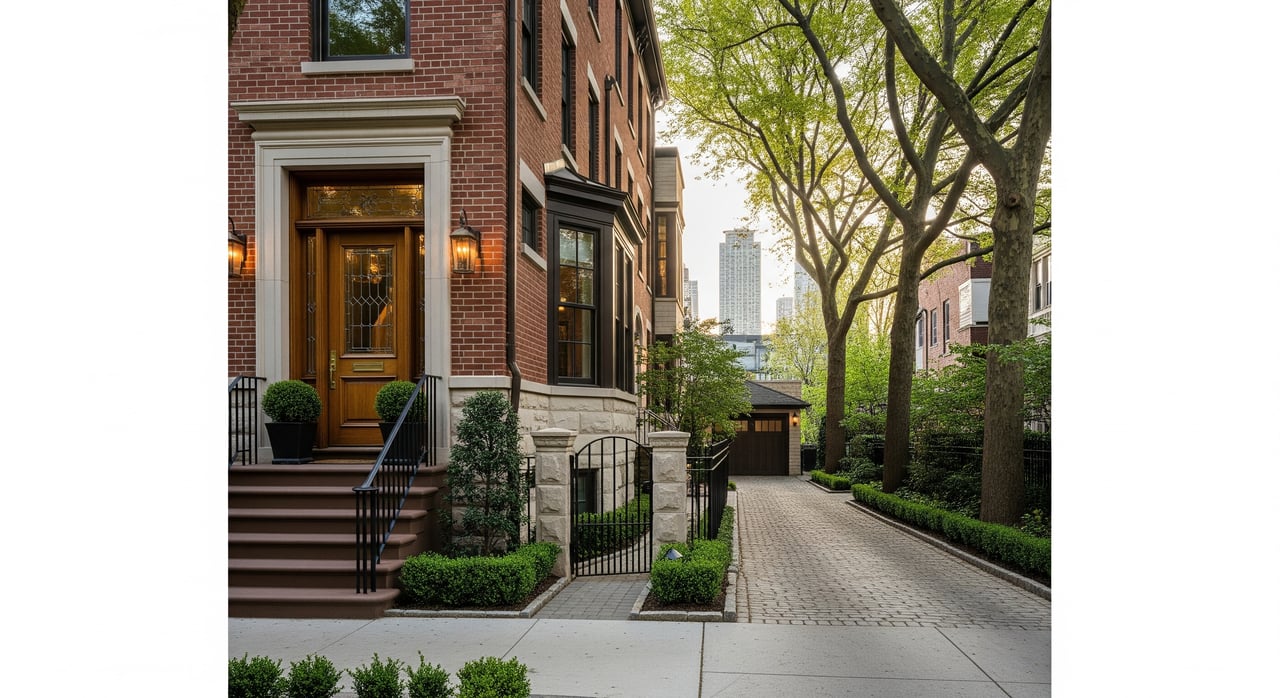
Lincoln Park’s housing is diverse, which helps you match home style to your daily routine.
CTA rides to the Loop commonly fall in the 15–30 minute range, depending on your exact start and line. Biking downtown via the lakefront trail can be both fast and scenic in warmer months. Driving varies with traffic and parking availability around your destination.
If your schedule is time‑sensitive, test your route during the hours you plan to travel. Try a weekday morning to the Loop from your target blocks and a return trip at day’s end. Add a backup option like a bus route or bike route in case of service changes.
Lincoln Park is generally viewed as safer than the citywide average. Like any busy urban area, property crimes such as theft and vehicle break‑ins occur more often around commercial corridors and transit hubs. For an accurate picture, review multi‑year trends through official city crime data and consider how your daily routine aligns with different blocks.
Expect a mix of residential zoning with retail along main corridors. Some pockets see ongoing infill development, especially near transit and the Clybourn Corridor. Historic districts and landmarked properties may limit exterior changes, so you should verify guidelines before planning renovations.
Community feedback is a normal part of the planning process. New projects often go through local meetings and aldermanic review. If you value long‑term stability on your block, ask about current proposals when you tour homes.
When touring, stand outside the property at different times of day. Listen for traffic, check lighting, and watch how neighbors use the street. Map your walk to transit, schools, and your go‑to grocery store.
Use a clear plan so you can move fast when the right place hits the market.
Buyer profiles can help you narrow choices:
Market stats, school boundaries, crime trends, and transit service can change. Before you offer, confirm:
If Lincoln Park fits your lifestyle, you deserve a search that is efficient and well‑connected. With curated on‑ and off‑market access, expert guidance on vintage and new construction, and a streamlined process tailored to you, you can move with confidence. Reach out to Kacia Snyder to start your Lincoln Park strategy and see opportunities first.
Stay up to date on the latest real estate trends.
Kacia Snyder has a reputation for consistently carrying one of the most impressive luxury listing platforms in the marketplace. Contact her today for a free consultation for buying, selling, renting, or investing in Illinois and Indiana.