Buying Your First Condo In Lake View: What To Evaluate
April 2, 2026
April 2, 2026
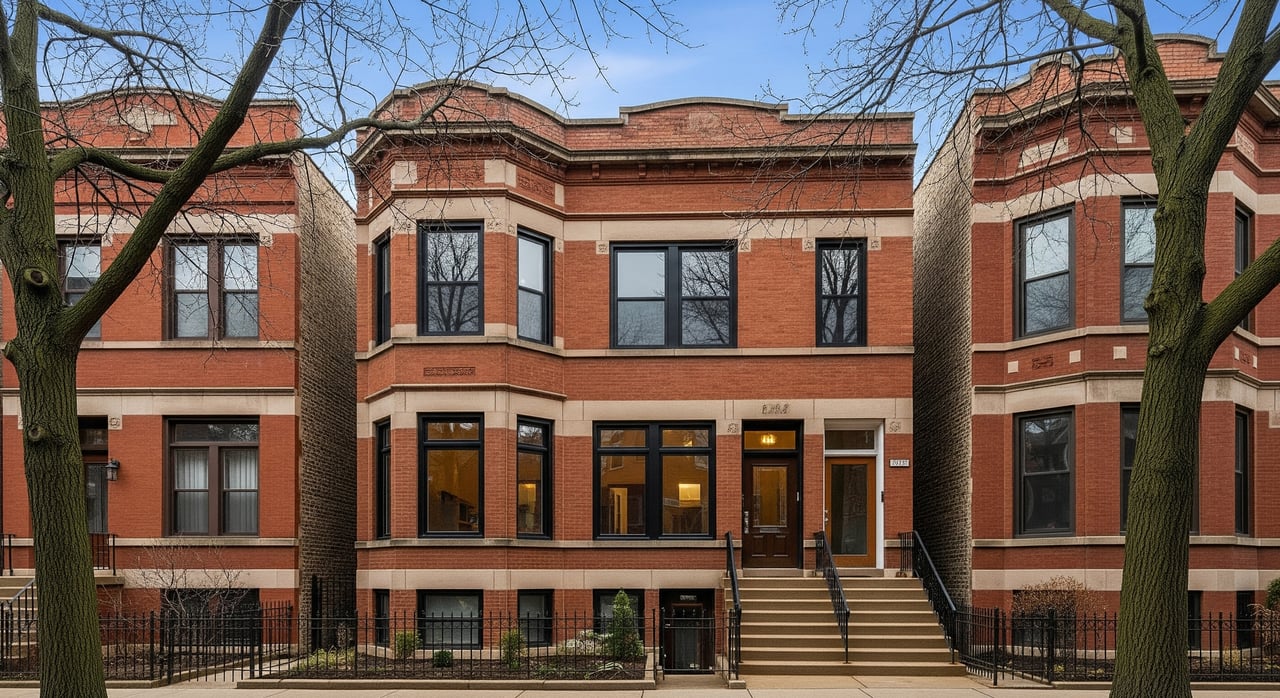
Buying your first condo in Lake View can feel exciting right up until you realize how much varies from one building to the next. On one block, you might tour a vintage walk-up with older systems and lower monthly dues. A few streets over, you could see a newer elevator building with different costs, rules, and financing considerations. If you want to buy with confidence, you need to evaluate more than the unit itself. Let’s dive in.
Lake View is not a one-size-fits-all condo market. The area includes older housing stock tied to Chicago’s historic residential fabric, and building age, systems, and ownership structure can change quickly from block to block. That is one reason two condos with similar square footage can come with very different upkeep needs and monthly costs.
The neighborhood also offers strong transit access. CTA’s Belmont station serves the Red, Brown, and Purple Lines, with bus connections and sheltered bike parking. For you, that can affect how much weight to give parking, commute time, and day-to-day convenience.
Your first condo purchase is about more than finishes and listing photos. In Lake View, the better long-term buy is often the one where the unit, building, and HOA all make sense together.
At every showing, try to answer three questions:
If one of those areas looks weak, it can affect your monthly costs, financing options, and resale flexibility later.
Lake View includes many older residential buildings, so a vintage walk-up should be treated as an age-and-maintenance question, not just a style choice. Charm matters, but building condition matters more when you are budgeting for ownership.
Ask about key building components, especially if the property is in older housing stock documented through Chicago’s historic resources and landmark areas. You will want a clear picture of what has already been updated and what may be coming next.
For an older condo building, ask about:
These questions help you understand whether the building has been maintained over time or whether deferred work may lead to future costs.
A newer building can look simpler on the surface, but it still needs careful review. Building age alone is not a proxy for quality, and newer projects can still face issues tied to insurance, litigation, deferred repairs, or financing eligibility.
In elevator buildings, your focus shifts toward how the association budgets for shared systems and amenities. That includes elevators, parking structures, and common-area upkeep. If the budget is thin, your monthly dues may not tell the full story.
Ask whether the association has budgeted appropriately for:
If the building offers a lot, it also has a lot to maintain. That is why it is smart to look past the lobby and into the numbers.
For first-time condo buyers, the HOA deserves just as much attention as the unit. Under the Illinois Condominium Property Act, condominium boards must budget for reasonable reserves and consider repair and replacement costs, component life, reserve studies, assessment increases, and the association’s ability to finance or refinance. If reserve requirements are waived, that must be disclosed.
That matters because a low monthly assessment is not always a sign of affordability. Sometimes it means the building is underfunded. A healthier association usually gives you a better sense of what future ownership may actually cost.
On resale, Illinois law requires the seller to make key association information available. That includes:
These documents can reveal issues that are easy to miss during a quick tour.
Use a simple question set when you are evaluating the HOA:
A special assessment is not automatically a deal breaker. Sometimes it funds necessary work that protects the building and its long-term condition. What matters most is why it happened, how it was handled, and whether more assessments may be coming.
Under Illinois law, boards may adopt separate assessments for emergencies or legally mandated expenditures without unit-owner approval. That is why you should ask not only whether an assessment exists, but what triggered it and whether the underlying issue has been fully addressed.
Condo financing can add another layer to your search. Fannie Mae’s condo project guidance notes that projects may become ineligible because of critical repairs, inadequate insurance, significant litigation, or hotel-like or short-term-rental characteristics. Underwriters may also use reserve studies at their discretion when evaluating project condition.
For you, that means financing is not just about your income and credit. It can also depend on the project itself. If a building has review or eligibility issues, it may narrow your loan options or slow your timeline.
One of the most common first-time buyer mistakes is focusing too heavily on the mortgage payment. According to the Consumer Financial Protection Bureau, HOA dues are usually paid directly to the association and are not part of the mortgage payment. Condo loans can also cost slightly more than some other property types.
That means your real monthly cost should include more than principal and interest. Before you move forward, build a full carrying-cost number that reflects how you will actually live in the property.
Make sure your monthly estimate includes:
Do not assume the HOA fee alone tells you whether a condo is affordable. Reserve strength, assessments, and parking can all change the picture.
When you shop for a loan, the CFPB recommends comparing multiple Loan Estimates. It also notes that multiple lender credit checks within a 45-day window count as a single inquiry. That gives you room to compare options without worrying as much about repeated rate shopping.
You should also plan ahead for closing. The CFPB says borrowers receive a three-business-day review period for the Closing Disclosure before closing, which gives you time to check final terms and costs.
In Lake View, parking should be checked by the exact building and block, not by general neighborhood assumptions. Chicago’s residential permit parking system is block-specific, and zones are created only after petition and parking-study thresholds are met. Adjacent buffer zones may also apply under the Chicago Municipal Code.
Chicago zoning also treats required off-street parking as part of the principal use, and those spaces must be maintained for the life of that use. For condo buyers, that means the details matter. A listing that says “parking available” still needs follow-up questions.
Ask these questions before you get too attached to a unit:
A condo can look great online and still fall short in person. During showings, pay attention to how the space works for your real routine, not just how it photographs.
Look at the unit first. Check light, layout efficiency, window condition, moisture stains, noise transfer, storage, and the condition of mechanicals. Then zoom out and study the building’s common areas, visible maintenance, and any signs of deferred work.
Use this quick checklist when touring condos in Lake View:
Your first condo in Lake View should fit your budget, financing path, and everyday life. The right purchase is not always the flashiest kitchen or the prettiest listing photos. Often, it is the condo in the building with the stronger reserves, clearer maintenance history, more workable parking setup, and fewer surprises.
If you want help comparing Lake View condo options with a sharper eye on building quality, HOA health, and overall value, connect with Kacia Snyder. You will get informed, responsive guidance tailored to how you want to live and buy in Chicago.
Stay up to date on the latest real estate trends.

Kacia Snyder has a reputation for consistently carrying one of the most impressive luxury listing platforms in the marketplace. Contact her today for a free consultation for buying, selling, renting, or investing in Illinois and Indiana.