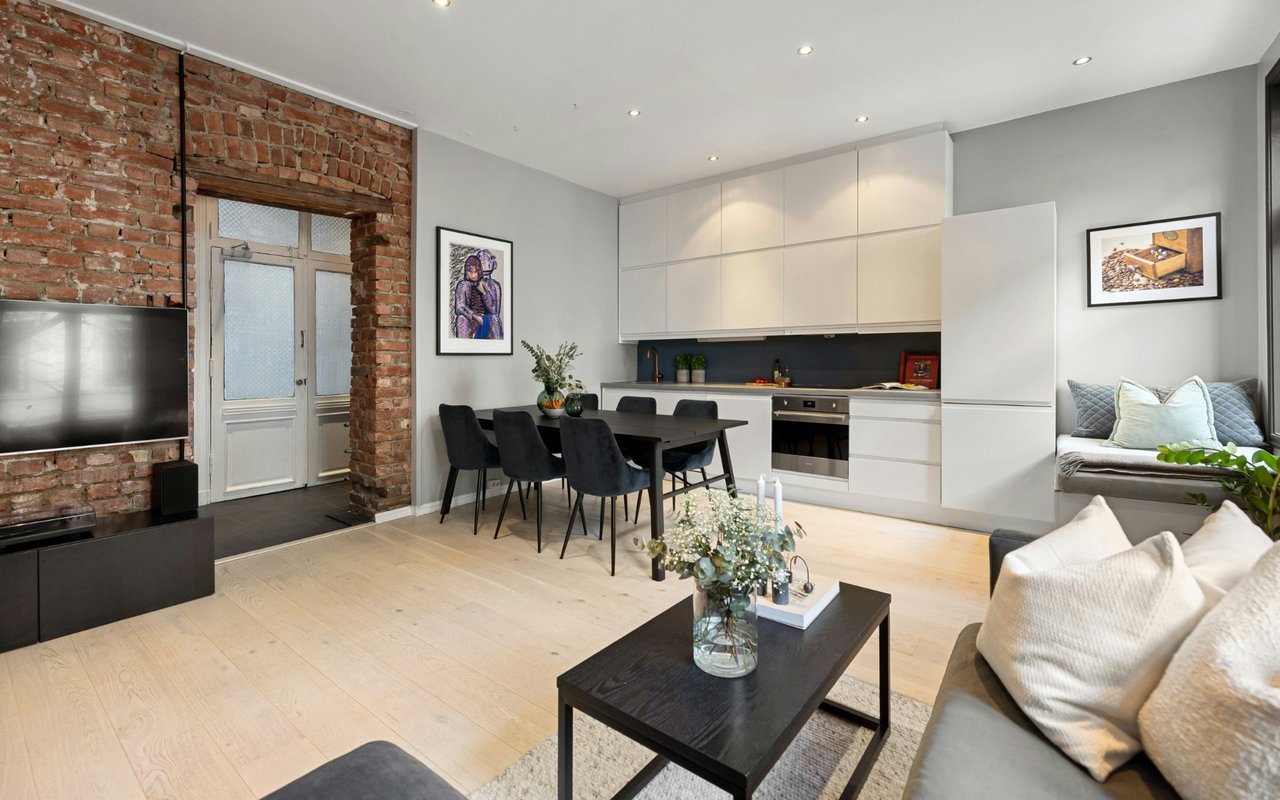
Choosing Between West Loop New Construction Condos and Lofts
February 19, 2026
February 19, 2026
Do you love the idea of soaring timber ceilings and exposed brick, but also crave a staffed lobby and a fresh, modern kitchen? In the West Loop, you can choose between authentic converted lofts and sleek new‑construction condos, each with real lifestyle and financial tradeoffs. If you are relocating or moving up, the right choice balances character, convenience, HOA health, and future resale. This guide breaks down the differences, financing impacts, and a clear due‑diligence path so you can buy with confidence. Let’s dive in.
Converted lofts deliver scale, texture, and one‑of‑a‑kind layouts that feel true to the neighborhood’s industrial roots. You will see tall ceilings, big windows, and materials like brick, timber, or concrete. The flip side is older building systems and unique floor plans that can affect energy efficiency and bedroom privacy.
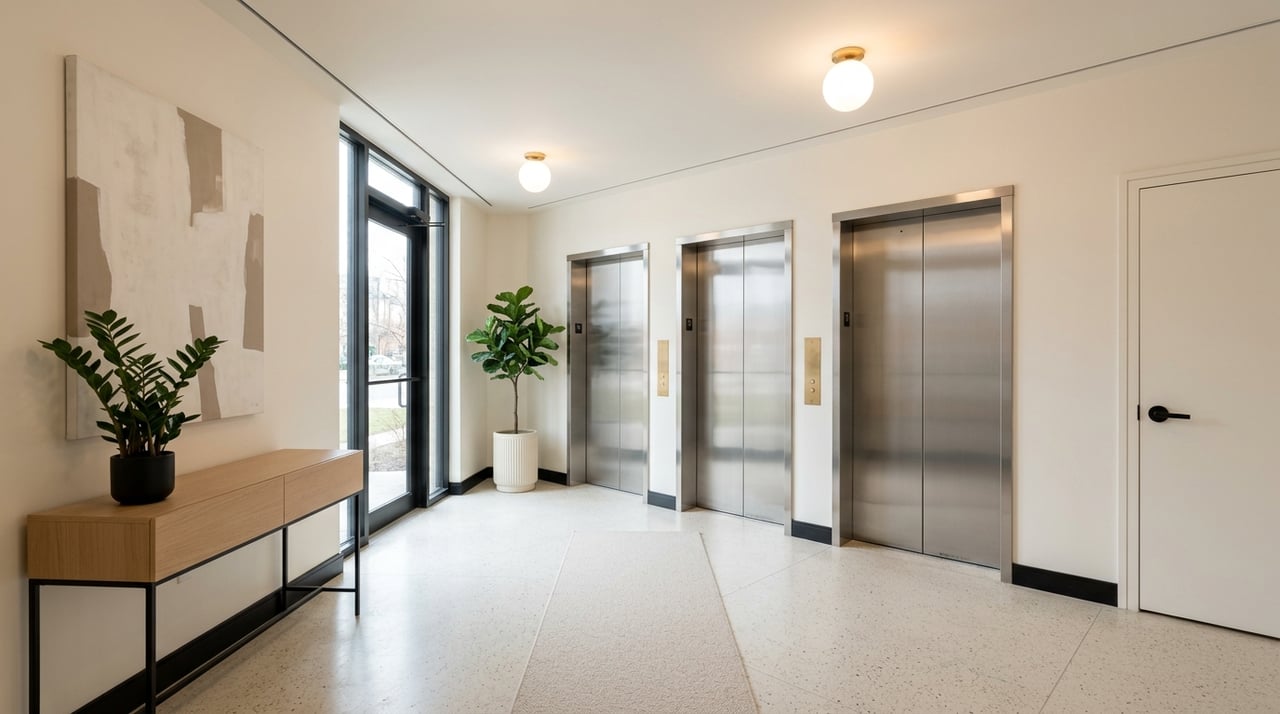
New‑construction condos offer purpose‑built layouts, modern windows, and contemporary kitchens and baths. Many buildings add full amenity suites, from doorman and package rooms to gyms and roof decks. These perks raise assessments, but they also broaden the buyer pool and simplify living.
| Topic | Converted lofts | New construction |
|---|---|---|
| Look and layout | Exposed brick/timber, very high ceilings, irregular floor plates, open bedrooms or mezzanines | Predictable room sizes, enclosed bedrooms, modern finishes and insulated windows |
| Systems | Retrofitted or older mechanicals that can raise maintenance risk | New HVAC, plumbing, and electrical with easier servicing and warranties |
| Amenities | Often minimal, lighter staffing, lower baseline fees | Doorman, gyms, package rooms, roof decks, higher monthly assessments |
| Pricing dynamics | Character can command a premium but comps may be tricky | Higher price per sq ft, predictable comps, strong appeal to turnkey buyers |
Your monthly assessment and the association’s reserves matter as much as finishes. For Illinois resales, you are entitled to a statutory disclosure packet that includes budgets, recent financials, reserve details, insurance, and any special assessments. Review the full 22.1 resale packet under the Illinois Condominium Property Act with your attorney so you understand near‑term capital needs and fee stability. You can find what must be included in the packet in the state statute summary at the Illinois Condominium Property Act resource.
Helpful resources:
Financing rules can expand or shrink your future buyer pool. Conventional lenders follow project‑level standards that review a building’s reserves, owner‑occupancy, commercial space, and delinquency. Ask your lender early if the building qualifies under Fannie Mae’s project criteria or needs a full review, since ineligible or conditionally approved projects can limit conventional financing. You can share Fannie Mae’s project review guidance with your lender for clarity.
If FHA or VA financing is important to you or likely future buyers, confirm whether the condo project is FHA‑approved. Projects not on HUD’s approved list can reduce demand and impact pricing.
Resale notes to weigh:
Presales can deliver early pricing, better selection, and finish customization. You also take on construction timing, developer execution, and the initial HOA budget under developer control. Ask questions, get answers in writing, and have your attorney review before you sign.
Key items to confirm:
If you or your lender need extra certainty on larger projects, ask whether the building is seeking or holds a Fannie Mae Project Eligibility Review Service status. Learn more about PERS here: Fannie Mae PERS overview.
Work through these steps with your agent, attorney, and lender so nothing is missed:
Choose a converted loft if you value authentic materials, soaring volume, and a distinctive floor plan, and you are comfortable reviewing older systems and budgeting for potential capital work. Pick new construction if you want turnkey layouts, energy‑efficient assemblies, robust amenities, and a broader financing and resale audience.
Either way, building‑level due diligence in the West Loop is non‑negotiable. The best purchase balances lifestyle with HOA strength, lender eligibility, and a smart exit plan. If you want curated options, presale access, and a disciplined review process, connect with Kacia Snyder to compare properties and move with confidence.
Stay up to date on the latest real estate trends.


Kacia Snyder has a reputation for consistently carrying one of the most impressive luxury listing platforms in the marketplace. Contact her today for a free consultation for buying, selling, renting, or investing in Illinois and Indiana.