Thinking about letting your home help pay for itself? In Avondale, a well‑chosen 2–3 flat can offset a big part of your mortgage while giving you a comfortable place to live. You want reliable income, manageable maintenance, and a clear plan that fits Chicago’s rules. This guide shows you exactly what to look for, how to model the numbers, what a realistic rehab might involve, and which loans work for owner‑occupants in Chicago. Let’s dive in.
Why Avondale works for house hacking
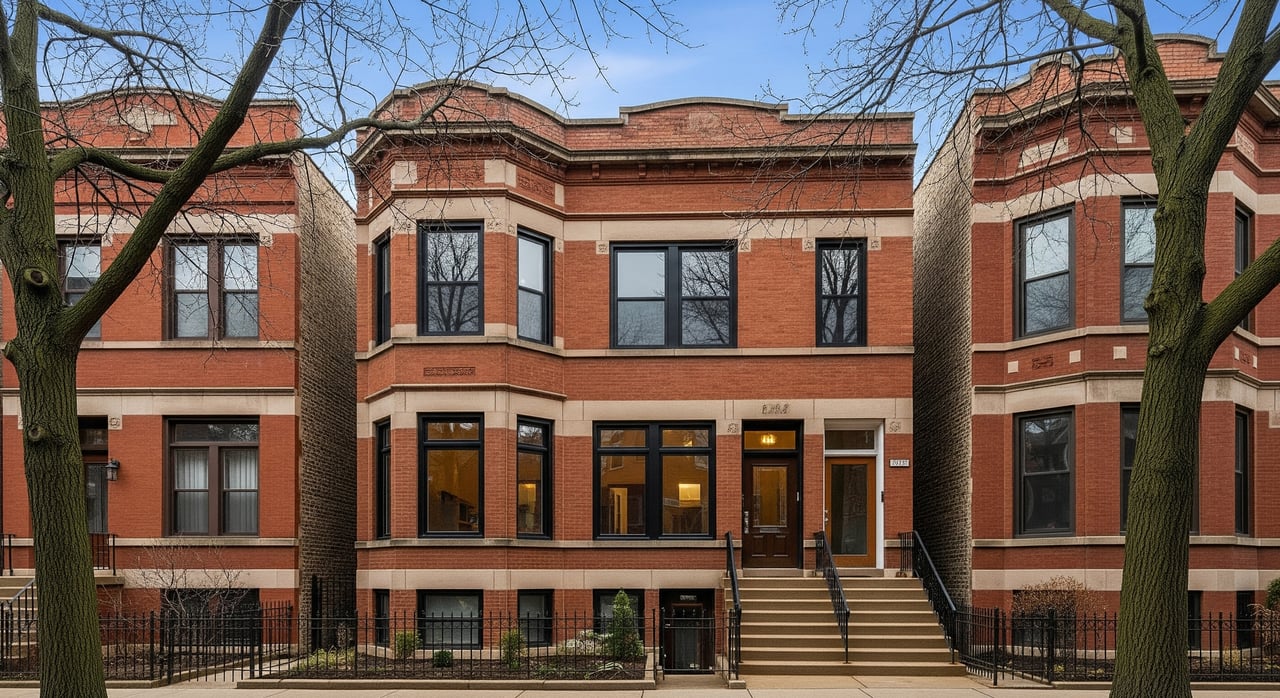
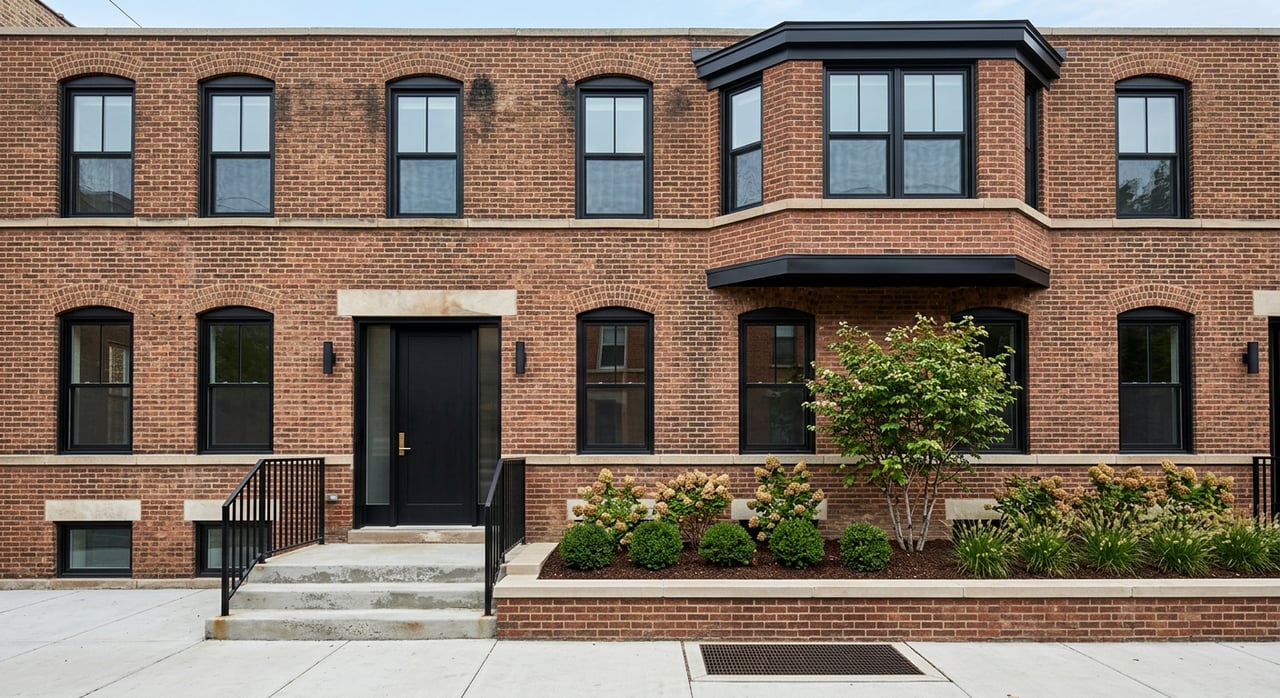
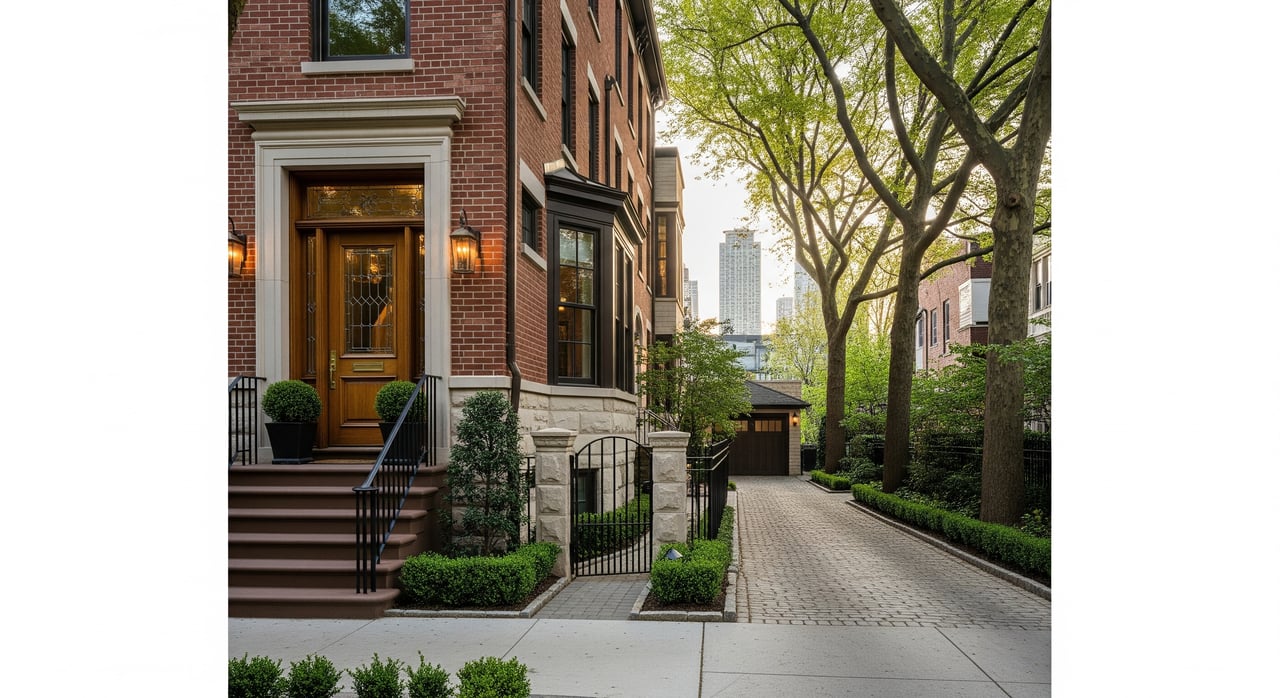
Avondale sits on Chicago’s Northwest Side with easy access to the Blue Line, CTA bus corridors, and nearby Logan Square and Irving Park. The neighborhood has many classic two‑ and three‑flat masonry buildings alongside newer infill. That mix creates steady demand from renters who value location and updated homes.
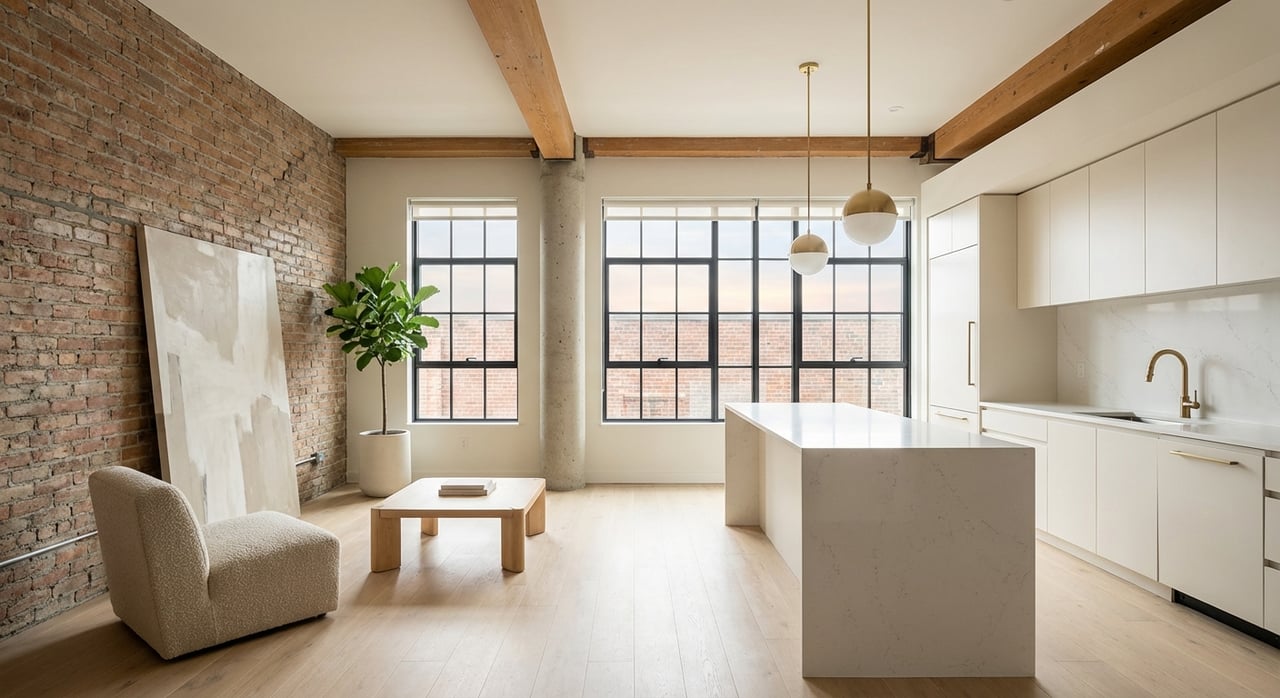
Most buildings are early to mid‑20th century. Expect older plumbing and electrical, plus shared systems in some properties. Units that feature updated kitchens and baths, functional layouts, and separate utilities tend to rent faster and for more.
What to look for in 2–3 flats
Unit mix and layouts
- Count bedrooms and bathrooms per unit and note square footage.
- Confirm separate entrances and whether there is a basement or attic with potential.
- Verify with City records that all units are legal. Bedroom and bath counts drive rent, and illegal units can complicate insurance and financing.
Utilities and metering
- Determine if gas, electric, and water are separately metered. Separate meters simplify billing and protect cash flow.
- Chicago water and sewer are billed to the property. Some owners pass costs through using submetering or ratio billing if allowed. Confirm options with the City’s Business Affairs and Consumer Protection guidance at the BACP.
Building systems and envelope
- Assess boiler and hot‑water systems, steam heat, roof age, and masonry tuckpointing.
- Look for porch integrity, electrical capacity, and plumbing materials.
- Order a full home inspection and trade‑specific checks for electrical, plumbing, HVAC, roof, and structure before you commit.
Health and hazards
- Many buildings predate 1978, so federal lead disclosure rules apply. If you disturb painted surfaces during rehab, contractors must follow the EPA’s lead‑safe work practices under the RRP Rule.
- Older buildings may contain asbestos in pipe insulation or flooring. Follow guidance from the Chicago Department of Public Health and use certified pros if abatement is required.
Legal status and zoning
- Confirm legal unit count and occupancy with the City’s Department of Buildings. Use the City’s building records portal or work with your attorney to verify.
- Review the Chicago Zoning Map for permitted uses and parking or alley access nuances. Legal status affects value, rentability, and financing.
Access, parking, and appeal
- Check street parking rules and any off‑street or garage spaces.
- Walk‑up vs. multi‑level layouts, light, and storage all influence renter interest and rent levels.
Underwrite the numbers right
Start with conservative rent comps and model three scenarios: pessimistic, base, and optimistic. Then layer in realistic vacancy, expenses, and financing to see cash flow and potential returns.
Revenue assumptions
- Market rent per unit by bedroom/bath count and condition.
- Other income: parking, laundry, storage, pet fees.
- Vacancy and credit loss: 5 to 10 percent of gross scheduled income is a common starting point in stable urban areas.
Formulas to know:
- Gross Scheduled Income (GSI) = Sum of market rents + other recurring income.
- Effective Gross Income (EGI) = GSI minus vacancy/credit loss.
Operating expenses
Common categories include property taxes, insurance, owner‑paid utilities, management, maintenance and repairs, landscaping and snow, professional fees, supplies, advertising, and replacement reserves. In Cook County, property taxes can move the needle. Pull the current bill from the Cook County Assessor and model increases.
Rules of thumb for small multifamily can help you sanity‑check your build:
- Management: 8 to 12 percent of collected rents if you hire a manager. If you self‑manage, factor the time commitment.
- Maintenance and repairs: often $500 to $2,500 per unit per year, higher for older buildings.
- Capital reserves: set aside funds for big items like roofs, windows, boilers, and porches.
Net Operating Income (NOI) = EGI minus operating expenses and reserves.
Financing and returns
- Build a mortgage schedule using your loan amount, rate, and term, often 30 years for owner‑occupied loans.
- Annual Debt Service = total principal and interest payments over 12 months.
- Debt Service Coverage Ratio (DSCR) = NOI divided by Annual Debt Service. Investor lenders often target 1.2 to 1.35. Owner‑occupied loans are more focused on borrower DTI and reserves, but the ratio still helps you gauge risk.
- Cash‑on‑Cash Return = Cash Flow Before Tax divided by Total Cash Invested.
Cap rate and valuation
Small 2–3 flats trade more like residential properties than large multifamily. Still, comparing price to your modeled NOI gives you an implied cap rate. Cross‑check with local sales to see if your price and condition align with the market.
Rehab scope and permits in Chicago
Typical rehab levels
- Light refresh: paint, flooring, fixtures, minor electrical or plumbing, cleaning. Fastest and lowest cost.
- Mid‑level update: new kitchens and baths, appliance packages, HVAC service or replacement, panel upgrades, window work, light tuckpointing, minor layout tweaks.
- Full rehab: mechanical replacement, rewiring, structural work, roof replacement, full unit reconfigurations, and potential lead or asbestos abatement. This is the longest and most expensive path and may require temporary tenant relocation.
Always get multiple local contractor bids. Timelines vary with scope, materials, labor availability, and permitting.
Permits and inspections
Most significant work, including electrical, plumbing, HVAC, structural changes, exterior masonry, and window replacement, requires permits from the Chicago Department of Buildings. Use licensed trades and expect that permitting, scheduling, and inspections can add weeks or months. Budget contingency and carry costs during rehab.
Lead and asbestos compliance
If you disturb lead paint, contractors must follow the EPA RRP Rule. For potential asbestos, consult the Chicago Department of Public Health and engage certified abatement if needed.
Loans that fit owner‑occupants
FHA and FHA 203(k)
FHA financing allows qualified buyers to purchase 1 to 4 unit owner‑occupied properties with low down payments, subject to underwriting and county loan limits. For homes needing renovation, FHA’s 203(k) program wraps repairs into one loan. Learn the basics on the HUD FHA programs page and review renovation details for FHA 203(k).
VA loans
Eligible veterans can use VA benefits to buy 1 to 4 unit owner‑occupied properties, often with no down payment. Review requirements and entitlement on the VA Home Loans site and work with a VA‑approved lender.
Conventional and portfolio options
Conventional financing for 2 to 4 units is available, but down payment and credit standards are more conservative than for single‑unit homes. Some lenders offer renovation‑capable products. Local banks may provide portfolio or rehab loans for unique situations.
Lender due diligence
- Confirm legal unit count and certificate of occupancy. Lenders will require it.
- If you plan to use rental income to qualify, expect lenders to scrutinize leases and market rents.
- Many programs require you to occupy within a set period after closing. FHA commonly expects occupancy within 60 days.
Chicago rules to know
- No general rent control: Illinois has no statewide rent control, and Chicago does not enforce general rent control as of mid‑2024. Still, always check for updates.
- RLTO compliance: Chicago’s Residential Landlord and Tenant Ordinance sets rules for security deposits, disclosures, and lease terms. Review the City’s RLTO guidance and build compliant leases.
- Registration and licensing: Chicago requires landlords to register rental units and follow City standards. See the BACP for registration and licensing details.
- Permits and violations: Confirm open permits or violations before closing. Start with the Department of Buildings and the City’s building records.
- Water and utility billing: If you plan to pass through water costs, confirm allowed methods with City rules and consider submetering where practical.
Step‑by‑step due diligence checklist
- Validate income potential
- Pull recent rental comps for similar bedroom counts, finishes, and locations.
- Model three rent scenarios and a conservative vacancy rate.
- Verify legal and physical status
- Confirm legal unit count and occupancy with the City.
- Check for open violations and permit history.
- Order a full inspection plus trade‑specific evaluations.
- Build a practical proforma
- Inputs: purchase price, loan terms, market rents, vacancy, other income, operating expenses line by line, and capital reserves.
- Outputs: GSI, EGI, NOI, annual debt service, cash flow before tax, cash‑on‑cash return, and implied cap rate.
- Plan rehab and timeline
- Define scope as light, mid, or full. Get multiple bids.
- Confirm permit needs with the Department of Buildings.
- Budget contingency and carry costs during work.
- Confirm financing fit
- Compare FHA, VA, conventional, and portfolio options.
- If renovating, align loan choice with scope and contractor capacity.
- Prepare to operate
- Line up proper insurance for owner‑occupied small multifamily.
- Build a maintenance schedule and reserve plan.
- Create RLTO‑compliant leases and tenant onboarding.
Your next step in Avondale
Avondale offers a strong mix of location, building stock, and renter demand, but the best outcomes come from disciplined underwriting and careful due diligence. If you want help sourcing on‑ and off‑market 2–3 flats, pressure‑testing the numbers, and navigating Chicago’s rules, connect with Kacia Snyder for a focused plan.
FAQs
What is house hacking with a 2–3 flat in Avondale?
- You live in one unit and rent the others to offset your mortgage and operating costs, using realistic rents and a conservative proforma.
How do I verify a legal unit count in Chicago?
- Confirm with the City’s Department of Buildings and review building records and permits before you buy; legal status affects financing and insurance.
Which loan programs work for owner‑occupants of 2–3 flats?
- FHA, VA, and conventional options can fit, and FHA 203(k) supports rehab. Learn more via HUD’s FHA pages and the VA Home Loans site and speak with approved lenders.
What operating expenses should I expect on a small multifamily?
- Property taxes, insurance, owner‑paid utilities, management, repairs, snow and landscaping, professional fees, supplies, and reserves for big items like roofs or boilers.
Do I need permits for renovations in Chicago?
- Most electrical, plumbing, HVAC, structural, masonry, and window work requires permits and licensed contractors through the Department of Buildings.
Is there rent control in Chicago right now?
- As of mid‑2024, Chicago does not have general rent control, but you must comply with the Residential Landlord and Tenant Ordinance and any current local rules.
How should I handle lead paint or asbestos in older Avondale buildings?
- Use EPA lead‑safe practices for painted surfaces and consult Chicago Department of Public Health guidance. Hire certified abatement specialists when required.