Leave a Message

Thank you for your message. I will be in touch with you shortly.

Search Properties

Chicago Luxury Market Trends for Gold Coast Real Estate

January 15, 2026

Are you trying to read the Chicago luxury market through the noise and figure out what it means for your Gold Coast plans? You want clear signals on pricing, timing, and which upgrades actually pay off. In this guide, you’ll learn how the top-tier market behaves in the Gold Coast, which metrics to track, how amenity premiums really work, and practical moves for both buyers and sellers. Let’s dive in.

Define Gold Coast luxury

Luxury in this context means the top 5 to 10 percent of sales by price within the Gold Coast and broader Cook County market. Using a relative definition keeps you focused on the true high end as prices shift. When you compare properties, anchor your analysis to price bands rather than neighborhood-wide averages.

For a true read on performance, look at 12‑month rolling median sold price and price per square foot for that top tier. Then compare months of inventory, days on market, and sale-to-list price ratios within the same price band. This gives you a realistic view of competition and momentum.

Gold Coast product mix

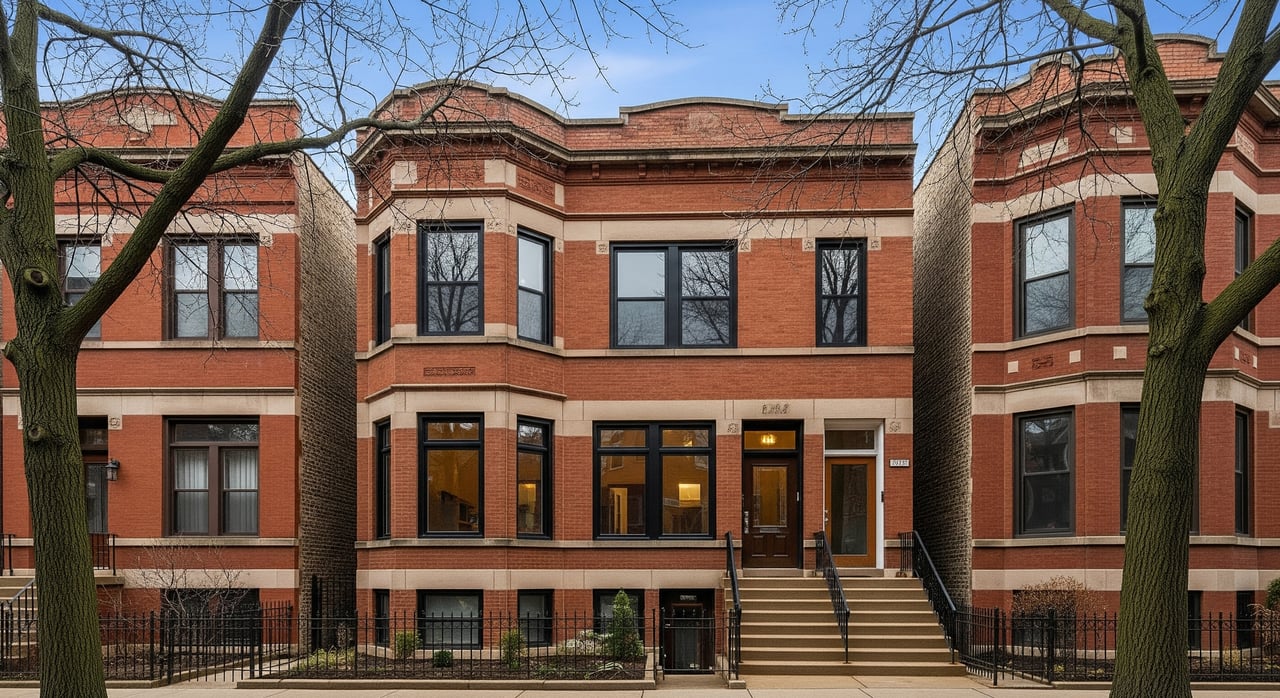
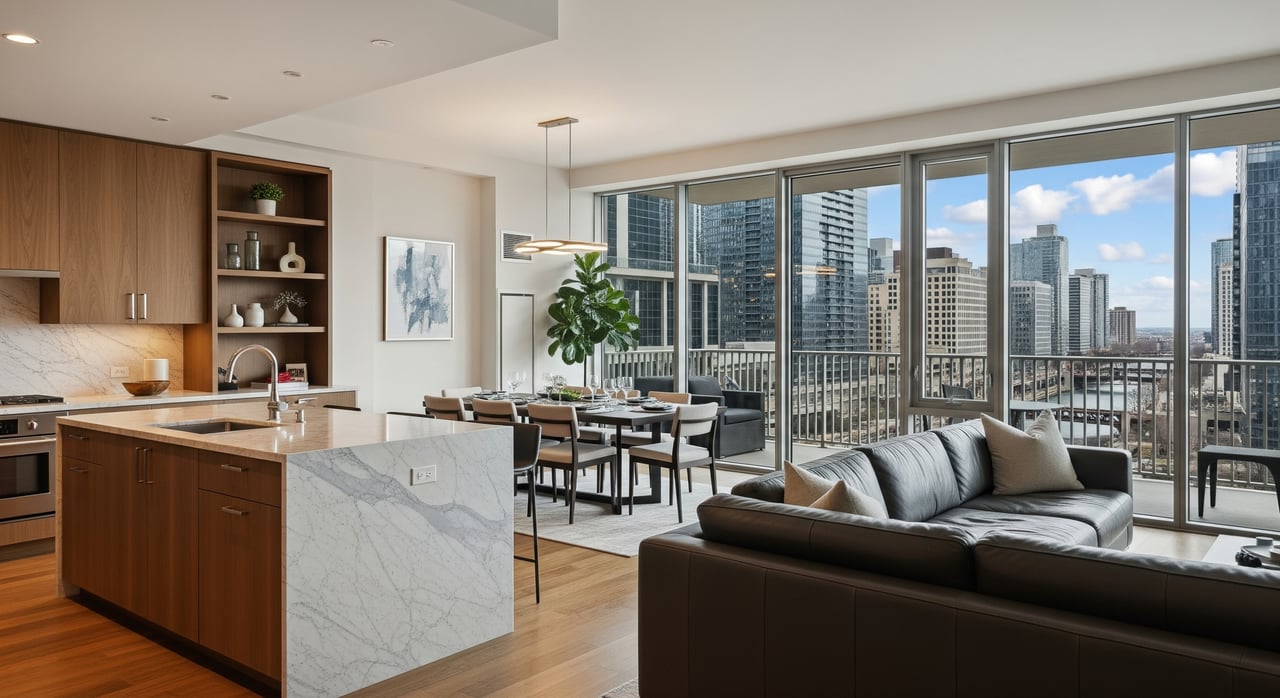
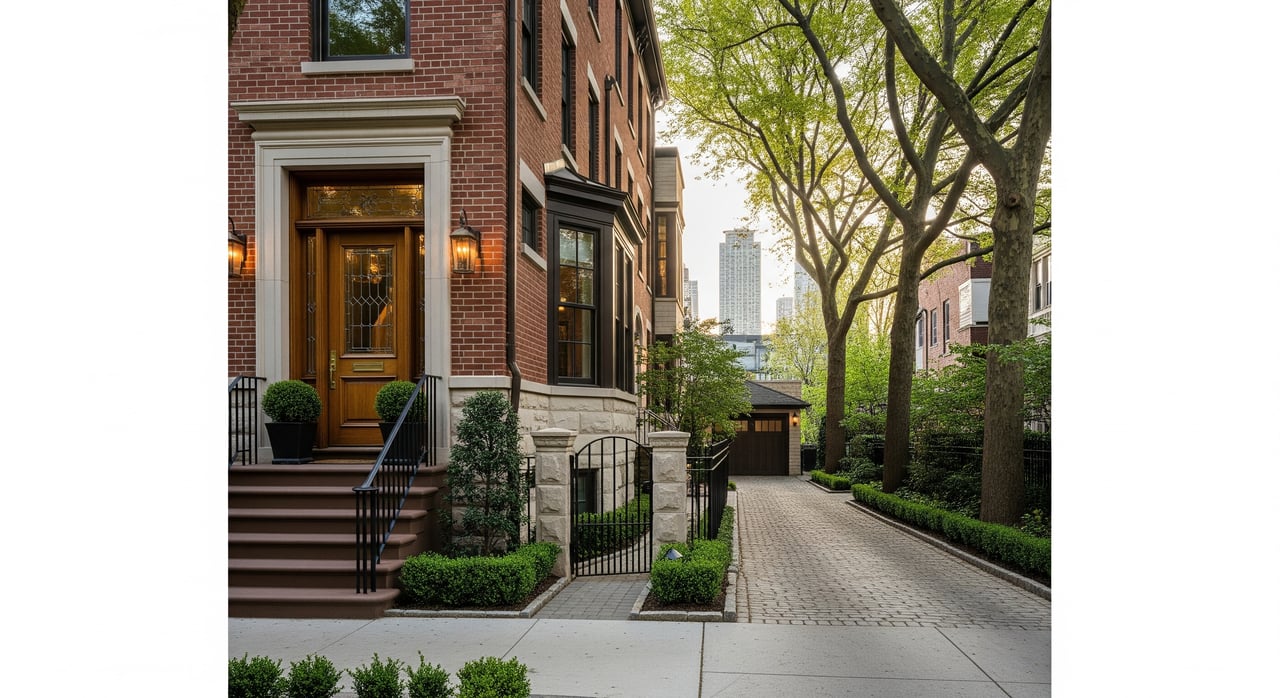
The Gold Coast is heavy on high-rise luxury condos near the lakefront, Oak Street, and the Magnificent Mile. You also see boutique elevator buildings, historic limestone conversions, and a limited number of luxury townhomes and single-family residences. Those single-family and townhome sales are rare and often behave like trophy transactions.

Because condos dominate, amenities and views carry outsized influence on price. Prewar and boutique buildings often command premiums for character and scale, but may trail newer towers on mechanicals and in-unit systems unless recently renovated. When you evaluate or price a listing, adjust for age, condition, and the building’s amenity slate.

Market trends, local signals

Higher mortgage and jumbo rates since 2022 have raised carrying costs for financed buyers. Cash and high‑net‑worth local buyers continue to be important in the top tier. Downtown’s recovery has supported renewed demand for urban luxury condos, but absorption still varies by building quality and amenity fit.

Buyer priorities have shifted toward private outdoor space, flexible floor plans for hybrid work, upgraded mechanicals, wellness features, and parking. In the Gold Coast, truly turnkey units with lake or park views and usable terraces tend to sell faster and closer to list. Older, unrenovated units or those lacking marquee features often see longer marketing periods and larger price adjustments.

Supply is thin for one‑of‑a‑kind homes. Limited new luxury development sites in the Gold Coast help support prices for scarce, well‑positioned offerings. Watch building‑level inventory: several listings in the same stack can change leverage for both sides.

Metrics that matter

Track these items by price tier, especially the top 5 to 10 percent:

  • Months of inventory and absorption rate by band. Low MoI signals tighter competition; high MoI points to more negotiation room.
  • Days on market and share of sales at or above list price. These indicate whether buyers are bidding up prized units.
  • New listings versus pending sales. This shows if supply or demand is picking up in real time.
  • Sale‑to‑list price ratio and average concessions. These help you quantify pricing power.
  • Unit mix and age of product. Prewar character vs. new construction performance can diverge meaningfully.
  • Financing composition. A higher share of cash purchases can cushion rate impacts and compress timelines.

Compare short-term momentum (3 to 6 months) with medium-term trends (12 months) and a 3‑year view to capture the post‑pandemic reset. Remember that closed sales reflect contracts signed weeks or months earlier. For the freshest pulse, weigh pending activity and new-listing flow alongside sold data.

Amenity premiums that move price

In the Gold Coast, features that shape lifestyle and daily convenience have measurable pricing power. Use micro‑comps within the same building or immediate block, then adjust for exposure, floor, and size.

Highest‑impact features:

  • Lake or park views and higher floor height
  • Private outdoor space such as terraces or balconies
  • Assigned indoor parking or garage access
  • Private or keyed elevator access for duplexes, penthouses, and townhomes
  • Large, flexible floor plans that support a dedicated office or den

Mid‑impact features:

  • 24‑hour door staff, concierge, fitness, wellness systems, package rooms, and pet amenities
  • Turnkey finish level: chef’s kitchens, high‑end appliances, restored millwork, smart home systems
  • Newer construction and modern mechanicals, unless a vintage home is fully renovated

Lower‑impact or conditional features:

  • HOA fee levels. Higher assessments can be justified by superior services and strong reserves. Fees that outpace amenities or reserves can be a negotiating point.
  • Architectural pedigree or historic designation. Value depends on the buyer and may limit certain renovations.

To size premiums, compare price per square foot for recent, similar sales with and without the feature. Also note time to contract and the frequency of multiple offers as real‑world signals of demand.

Seller playbook for the Gold Coast

  • Lead with location. Emphasize walkability, lakefront access, and proximity to Oak Street and the Magnificent Mile. These locational assets support a sustained premium.
  • Invest selectively. Kitchens, baths, HVAC, windows, and air‑quality upgrades resonate with today’s buyers. If you can add or enhance private outdoor space or secure parking, highlight it clearly.
  • Market the amenity story. Quantify terrace square footage, view corridors, parking details, and building services. Show how the amenities translate into daily convenience.
  • Price to the competitive set. Study months of inventory and DOM for the exact price band, building stack, and exposure. If the active competition is older or unrenovated, a staged, turnkey listing can command outsized attention.
  • Time your launch. Spring brings broad visibility, but Gold Coast buyers transact year‑round when the right unit hits the market. If your home is scarce or trophy‑level, you can often launch outside peak season without penalty.
  • Consider pre‑market strategy. Curated pre‑market exposure can create scarcity and accelerate strong offers when paired with a clear pricing framework and professional presentation.

Buyer playbook for the Gold Coast

  • Focus on total cost of ownership. Compare HOA fees, reserve strength, expected assessments, and property taxes alongside price per square foot. A well‑maintained, slightly older unit with balanced fees can outperform a newer option with higher carrying costs.
  • Use inventory concentration to your advantage. If several listings are active in the same building, you may secure concessions, credits, or favorable terms.
  • Look past headline pricing. Adjust your comp set for parking, view, terrace size, and finish level. Price per square foot is only the starting point.
  • Get financing clarity early. If you need a jumbo loan, work with a lender who understands Chicago’s luxury buildings and reserve requirements. Cash versus financing strategy can influence timing and negotiation.
  • Check building fundamentals. Review reserve health, litigation, and rental restrictions. These can affect both resale value and your ability to rent in the future.
  • Watch property tax assessments. Cook County reassessments can change carrying costs. If you have questions, review current assessment details and speak with qualified professionals about appeals.

Micro‑comps and pricing strategy

In the Gold Coast, small differences can drive big price gaps. Use comps from the same building whenever possible and match floor height, exposure, and layout. Compare terraces by usable square footage and orientation.

If you are selling, anchor your price to the most relevant micro‑comps and be explicit about amenity adjustments. If you are buying, quantify add‑ons such as a deeded parking space or private elevator access so you do not overpay for less meaningful features.

Timing and seasonality in the Gold Coast

Luxury activity clusters in spring and early summer, but serious buyers are active year‑round due to relocations and second‑home timelines. Seasonal patterns matter less for rare or trophy properties where scarcity rules. The key is to align launch timing with your building’s current inventory mix and the recent pace of comparable contracts.

How to track the market confidently

To keep your strategy current, review:

  • Chicago Association of REALTORS neighborhood statistics for inventory, DOM, and pricing trends
  • MRED MLS reports for building‑level comps and absorption by price tier
  • Metro‑level inventory and pricing context from major data outlets
  • Cook County Assessor records for assessment changes and tax context

Use 3‑, 6‑, and 12‑month windows to cross‑check momentum. Then layer in a 3‑year view to see how downtown recovery has unfolded by building type.

Work with a Gold Coast specialist

Selling a luxury home here requires precise positioning, sharp pricing, and high‑production marketing. Buying well requires early access, micro‑comp expertise, and disciplined negotiation. You deserve an advisor who can deliver both.

If you’re considering a move, let’s talk strategy tailored to your building, price band, and goals. Connect with Kacia Snyder to get curated access, data‑driven guidance, and marketing that moves the needle.

FAQs

Is now a good time to sell a Gold Coast luxury condo?

  • Check months of inventory and recent DOM for your exact price band and building. If well‑amenitized comps are moving quickly and inventory is thin, listing now can be advantageous.

How are Chicago mortgage rates affecting Gold Coast luxury buyers?

  • Higher jumbo rates raise carrying costs for financed buyers, making pricing discipline and amenity value more important. Cash buyers remain active and can move faster.

Which amenities deliver the biggest premium in the Gold Coast?

  • Lake or park views, private outdoor space, assigned indoor parking, and high‑floor or private elevator access typically command the strongest premiums when paired with turnkey condition.

How do HOA fees and taxes affect total cost in Gold Coast luxury condos?

  • Evaluate HOA fees alongside services and reserve strength. Review Cook County assessments to understand tax impact. Together, these factors can shift the value equation between otherwise similar units.

What listing timing works best for Gold Coast luxury sellers?

  • Spring offers broad visibility, but year‑round sales happen for scarce, well‑positioned homes. Align your launch with building‑level inventory and the pace of comparable contracts.

How should buyers compare two Gold Coast condos with different amenities?

  • Use micro‑comps in the same building and adjust price per square foot for view, terrace size, parking, and finish level. Then factor in HOA fees and expected maintenance to compare total cost of ownership.

Work With Kacia

Kacia Snyder has a reputation for consistently carrying one of the most impressive luxury listing platforms in the marketplace. Contact her today for a free consultation for buying, selling, renting, or investing in Illinois and Indiana.