Is your goal to live in one unit and let the others help pay the mortgage? In Wicker Park, strong rent levels, walkable amenities, and reliable demand make 2–4 unit buildings a compelling path to long-term wealth. In this guide, you’ll learn local rents and demand drivers, the rules that matter, financing options, a simple underwriting framework, and smart renovation plays that protect value. Let’s dive in.
Why Wicker Park works for 2–4 units
Wicker Park offers a deep renter pool, transit access, and lifestyle amenities that support steady leasing. Neighborhood rent trackers show average asking rents around $2,900 per month, with one-bedroom and two-bedroom units often in the mid $2,000s to low $4,000s depending on size and finish according to neighborhood rent trends. That rent environment helps owner-occupants and small investors cover carrying costs.
The local ZIP that overlaps much of Wicker Park (60622) is majority renter-occupied, with about 57 percent renter households and a median gross rent near $2,010 per month, underscoring consistent demand and turnover for well-presented units. You can explore ZIP-level context for 60622 on this demographics snapshot.
Transit is another anchor. The CTA Blue Line at Division, Damen, and Western plus easy access to the Bloomingdale Trail make commuting simple and neighborhood living attractive. The local chamber’s guide highlights how to get around and why it is convenient for residents and visitors. See the Wicker Park Bucktown getting here guide.
At the metro level, Chicago multifamily vacancy has hovered near the mid 4 percent range recently, and institutional cap rates have clustered in the mid 6 percent range. While 2–4 unit deals can price differently, these metrics are helpful context when you benchmark yield and risk. Review a recent Chicago multifamily market snapshot.
What to verify before you buy
Buying a small multifamily in Wicker Park requires a little more homework than a single-family purchase. You want to confirm the building’s legal status, allowable uses, and any preservation constraints before you write an offer.
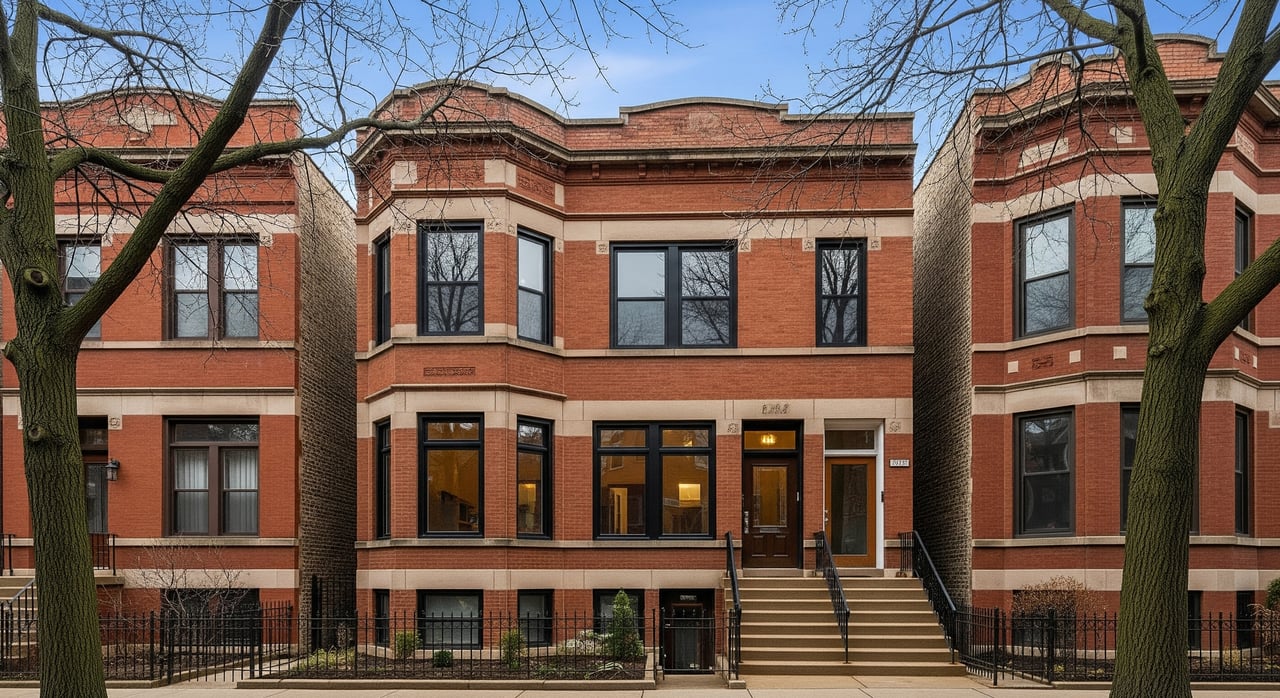
- Zoning and legal unit count. Chicago’s code includes RT and RM districts that allow two-flats and small multi-unit buildings. Do not assume a building’s current unit count is legal without checking city records and the permit history. Review permitted uses in the Chicago zoning code.
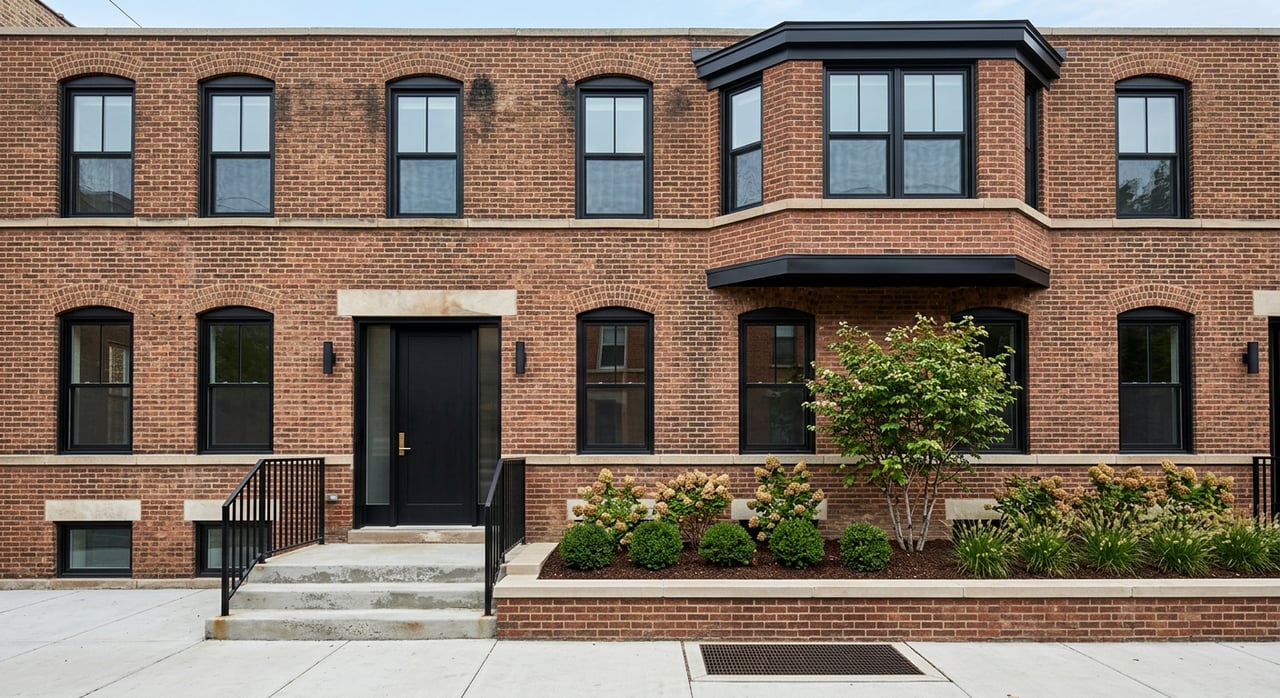
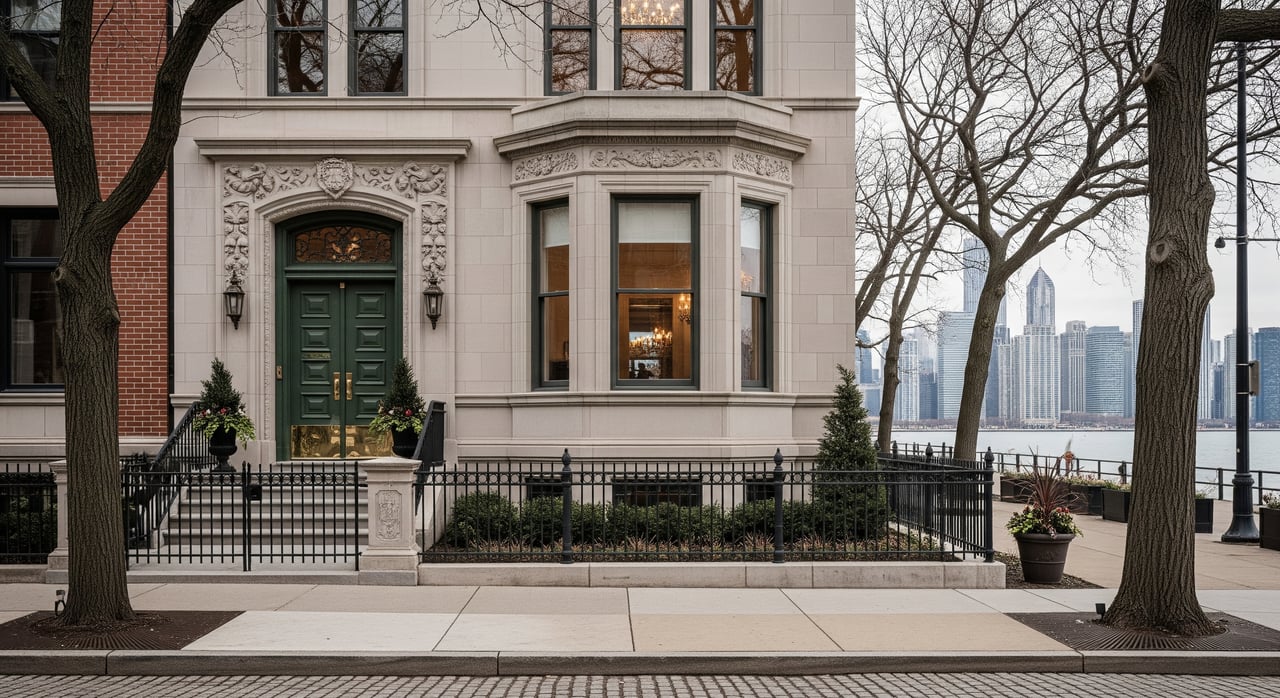
- Landmark review. Parts of Wicker Park fall within a historic district. Street-visible exterior work like windows, porches, masonry, and storefronts may require Landmarks Commission review and a permit. Interior-only updates are usually less restricted, but timing and scope can still be affected. A local news report offers useful background on the district’s review process. See this Wicker Park landmark coverage.
- Tenant protections. Chicago’s Residential Landlord and Tenant Ordinance sets rules for security deposits, disclosures, and notices. If you inherit tenants or plan renovations, you must comply with RLTO and any related local protections. Read the RLTO overview.
Before you go under contract, pull the building’s permit and violation history, confirm metering and which utilities are landlord-paid, and request the full rent roll and security deposit ledger. These items drive your underwriting and your renovation plan.
Financing paths for 2–4 units
You have several ways to finance a 2–4 unit in Wicker Park, depending on whether you will live in the property.
- Owner-occupant options. FHA financing can work well for house-hackers because of lower down payment requirements. If you plan to renovate while living in one unit, FHA 203(k) allows you to roll approved rehab costs into the loan. Learn more about FHA 203(k) renovation financing.
- Conventional owner-occupant. Fannie Mae HomeReady and Freddie Mac Home Possible offer reduced down payment options for qualifying borrowers on 2–4 unit properties. Income limits and borrower requirements apply. Ask your lender whether you qualify and how rental income from other units is treated in underwriting.
- Non-owner investor loans. If you will not occupy, DSCR and portfolio products are common for small multifamily. These lenders emphasize property cash flow and set terms based on DSCR and LTV. Shop lenders and compare rates, reserves, and prepayment terms.
Questions to ask lenders early:
- What down payment and reserves are required for a 2–4 unit at my price point?
- How do you count rental income from other units, and what rent evidence do you need?
- If using 203(k), what scope is eligible and how are draws handled?
- What DSCR does your program require and how does that affect max loan size?
Underwrite with discipline
Use a simple, repeatable framework to evaluate any building. This helps you compare properties and avoid surprises.
- Start with gross scheduled income. Use current leases and realistic market rents for vacant units.
- Apply a vacancy allowance. A 5 percent assumption mirrors recent Chicago metro vacancy and is a reasonable stress test given local trends highlighted in the Chicago multifamily report.
- Estimate operating expenses. For older Chicago masonry buildings, plan on 35 to 50 percent of effective gross income depending on age, systems, and who pays utilities.
- Calculate NOI. Subtract expenses from effective income.
- Compare to market yield. Chicago multifamily cap rates have centered in the mid 6 percent range in recent snapshots, though 2–4 unit trades in premium neighborhoods can differ. Use neighborhood comps to set your target cap.
- Model debt service and cash-on-cash. Plug in your down payment, interest rate, and amortization to see monthly cash flow and annual returns.
House-hack example math
Here is a simple illustration to show how numbers can work in Wicker Park.
- Property: Three-flat with two 2-bedroom units and one 1-bedroom unit. You live in the 1-bedroom.
- Assumed price: $900,000. Closing and initial reserves: $25,000.
- Market rents: Two 2-bedrooms at $3,000 each per month. Your 1-bedroom equivalent market rent would be $2,500 but you occupy it.
- Income: $6,000 per month scheduled from the rented units. Vacancy at 5 percent gives $5,700 effective.
- Expenses: Assume 40 percent of effective income, about $2,280 per month, covering taxes, insurance, repairs, water, common electric, and management contingency.
- NOI: Roughly $3,420 per month.
- Debt: If you used an owner-occupant loan with a low down payment, your monthly payment would depend on rate and program. With a larger down payment, debt service falls and cash flow rises. Test both to see your comfort.
This example does not include renovation scope. If you add a modest kitchen and bath refresh to one unit, rents may support the spend if your finishes align with neighborhood comps. Always verify current rents on live listings when you underwrite.
Stress-test your plan
Small shifts in rents, taxes, or rates can move your returns. Run at least these tests:
- Vacancy shock. Increase vacancy to 10 percent and see if the property still breaks even.
- Expense shock. Raise property taxes or insurance 20 percent and test the impact on cash flow.
- Rate shock. If you plan to refinance, model outcomes if future rates are 200 to 300 basis points higher than today.
Renovations that boost rent and value
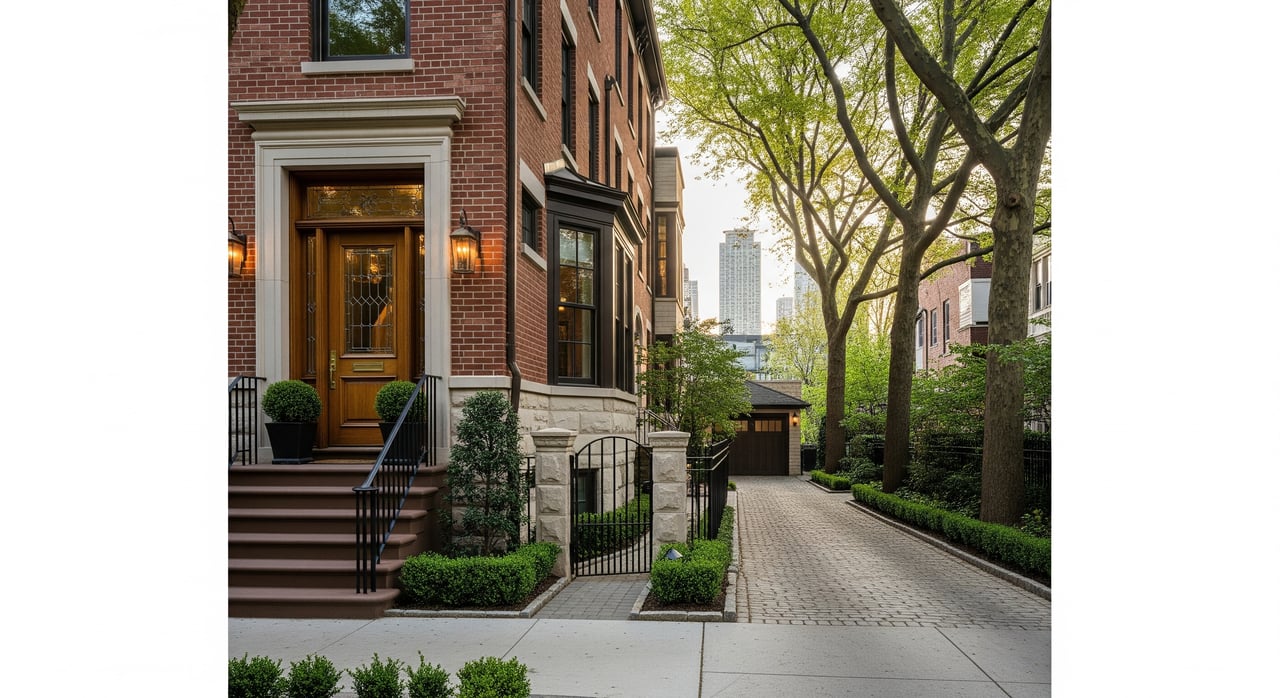
In Wicker Park, you want to preserve character while delivering the comforts renters expect. Focus on interiors first, and plan exterior work carefully if the property sits in the historic district.
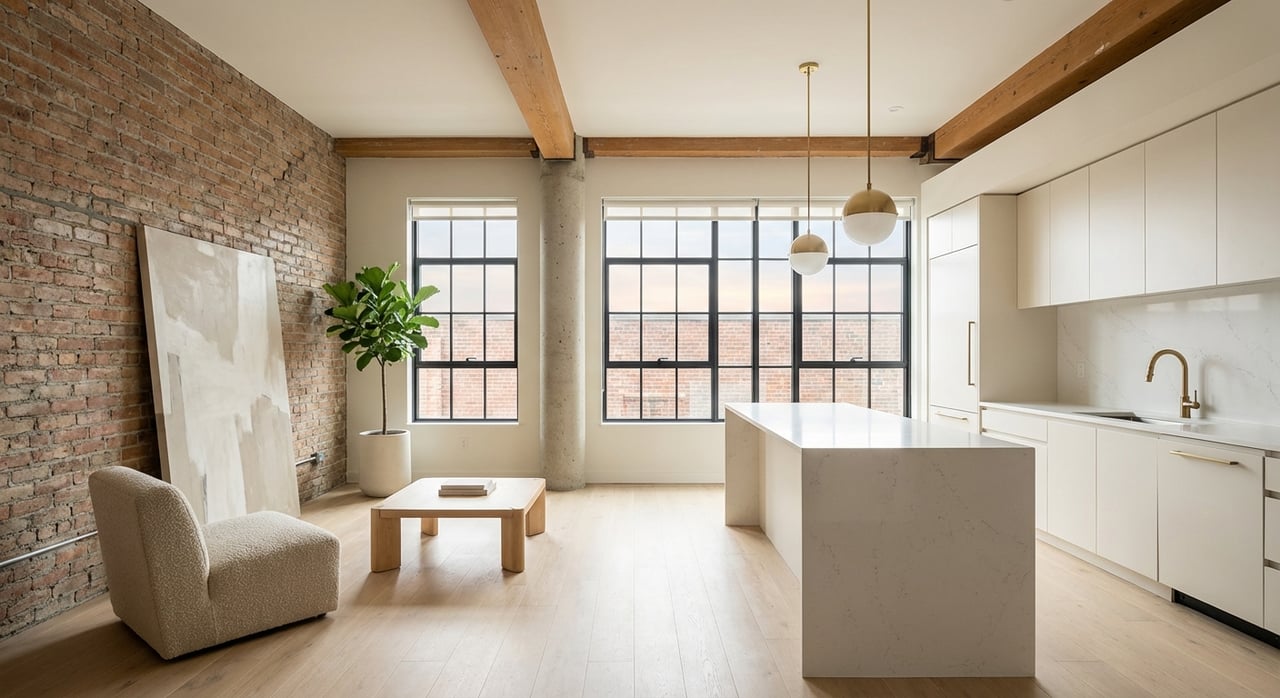
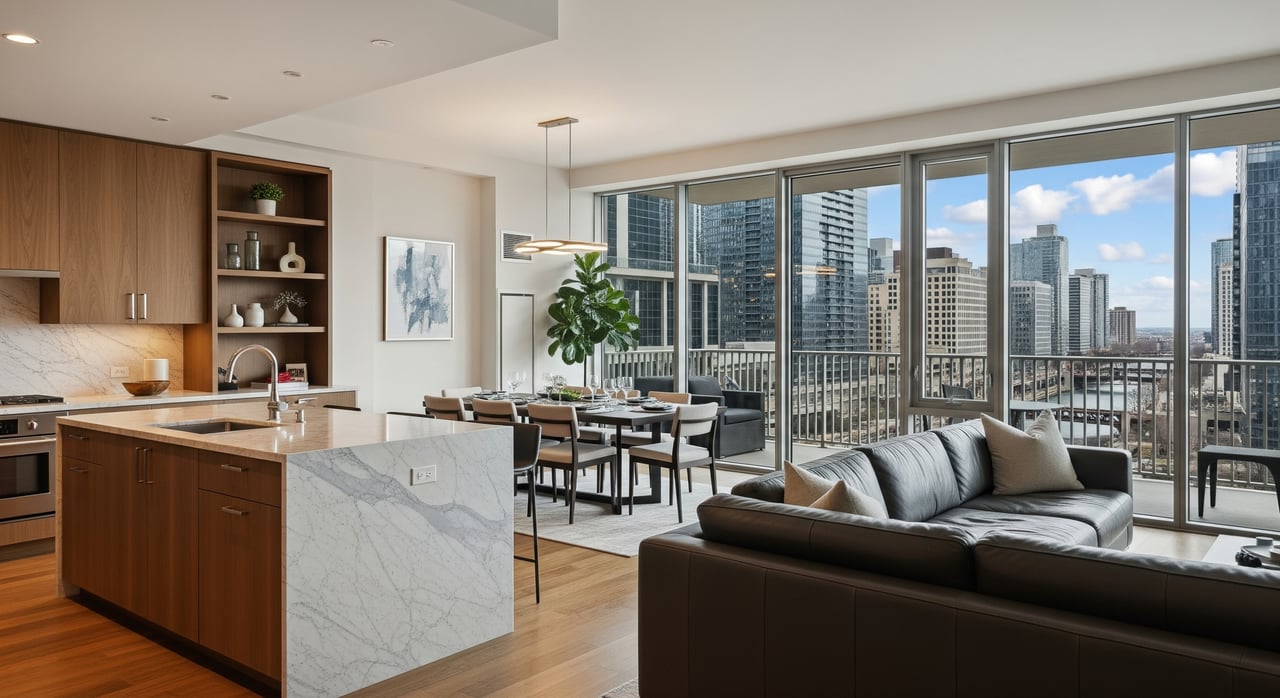
- Prioritize kitchens and baths. A minor kitchen refresh with refaced cabinets, new counters, and a modern appliance package often reduces vacancy and supports stronger rent. Regional cost surveys suggest a small kitchen refresh can range from about $10,000 to $35,000 per unit, with full-gut scopes costing more. See typical Chicago-area ranges in this renovation cost guide.
- Add or improve in-unit laundry. Stackable units where possible are a high-appeal upgrade in urban rentals.
- Update mechanicals and electrical. Proactive boiler, hot water, and panel upgrades reduce downtime and risk while making apartments more comfortable.
- Improve lighting and efficiency. LED fixtures and smart thermostats are cost-effective and tenant-friendly.
If your building qualifies, historic tax incentives can improve project economics. The Federal Rehabilitation Tax Credit offers a 20 percent credit on qualified expenses for certified historic, income-producing properties. Learn more about the certification process from the National Park Service.
Leasing and management basics
Wicker Park renters typically value transit access, in-unit laundry, and quality finishes that match the rent level. Clear marketing, professional photos, and prompt response times help reduce days vacant and attract qualified applicants.
Decide early whether to self-manage or hire a local property manager. Many small-building owners use managers to handle leasing, rent collection, and maintenance coordination for a monthly percentage of collected rent plus a one-time leasing fee. Even if you self-manage, set a maintenance calendar for winterization, boiler service, and snow and sidewalk obligations.
Always comply with Chicago’s RLTO on security deposits, disclosures, and notices. If you acquire a building with existing tenants, collect and review the leases, the rent ledger, and security deposit records before closing.
Due diligence checklist
Use this list to reduce surprises and protect your budget.
- Confirm zoning district and permitted unit count in city records. Verify the legal unit count and any Certificate of Occupancy where applicable.
- Pull permit and violation history with the Department of Buildings.
- Check if the property is in a historic or landmark district. Plan for exterior review on street-visible work.
- Request the full rent roll, copies of leases, and the security deposit ledger. Verify on-time payments.
- Review utility setup. Note any master-metered services and whether water, heat, or other utilities are landlord-paid.
- Inspect major systems and structure. Pay close attention to roof, masonry, foundation, electrical service and panels, plumbing risers, and egress.
- Budget for code-required upgrades and life-safety items. Confirm smoke and CO detectors, fire egress, and any stair or porch repairs.
- Confirm insurance quotes early to ensure coverage and realistic premiums.
- Review recent property tax bills and exemptions. Consider the impact of assessment changes on cash flow.
Ready to invest in Wicker Park?
Whether you are house-hacking or growing a small portfolio, disciplined underwriting plus smart renovations can set you up for long-term wealth in Wicker Park. If you want curated opportunities, rent comps, and a local roadmap from offer to first lease, connect with Kacia Snyder to get started.
FAQs
What are typical Wicker Park rents for 1- and 2-bedrooms in 2026?
- Neighborhood trackers show average asking rents around $2,900 overall, with many 1-bedrooms and 2-bedrooms in the mid $2,000s to low $4,000s depending on size and finish, based on recent neighborhood rent trends.
How does Chicago’s RLTO affect me as a small landlord?
- The RLTO sets rules for deposits, disclosures, and notices, and requires providing a summary to tenants; learn the basics and keep forms current using the RLTO overview.
Are 2–4 unit buildings allowed in Wicker Park zoning?
- Many parcels are in RT and RM districts that permit two-flats and small multi-units, but you must confirm the current zoning, legal unit count, and permitted uses for the specific address in the Chicago zoning code.
What financing can I use if I plan to live in one unit?
- Owner-occupants often use FHA or conventional low-down-payment programs, and FHA 203(k) can roll approved rehab costs into one loan; review 203(k) basics here: FHA renovation programs.
Do I need special approval for exterior work in Wicker Park?
- If the property sits in a landmark district, street-visible exterior work like windows, porches, or masonry often needs Landmarks Commission review and a permit; see local context in this landmark district report.